
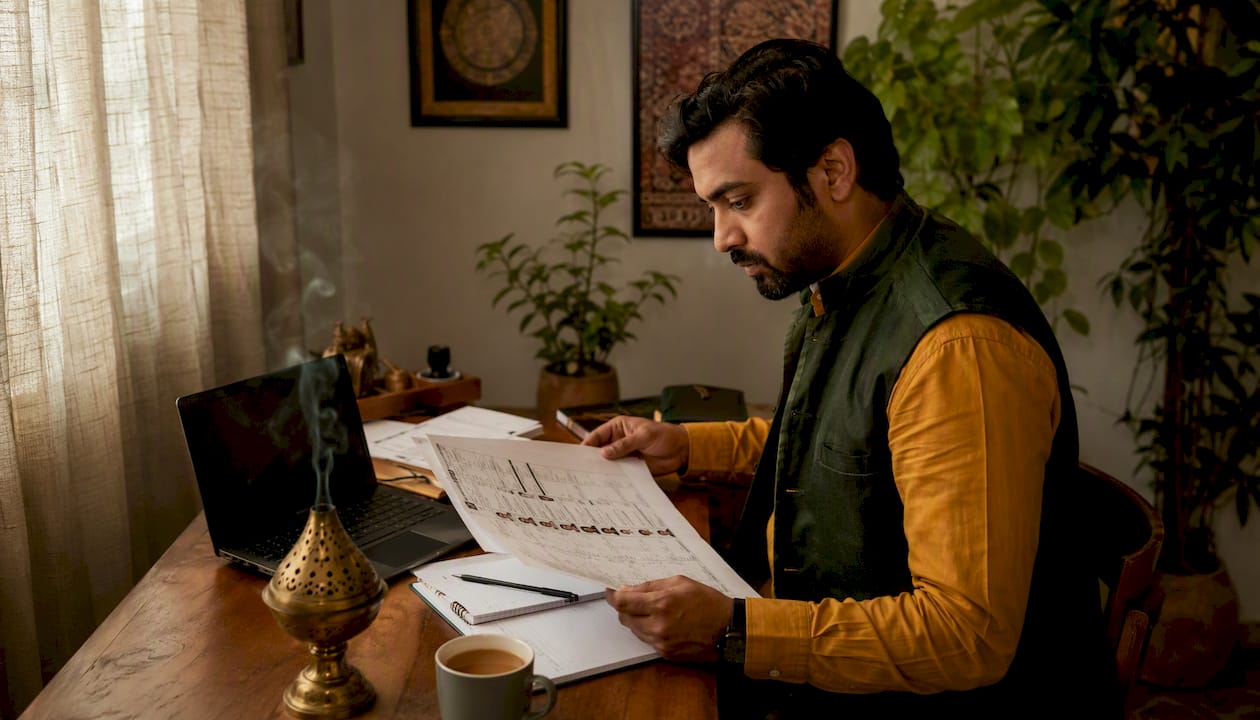
World music is trending in media because digital platforms, social virality, and demand for authentic storytelling have removed Western gatekeepers — and that creates a real programming advantage for organizers who book specialist artists like Rajib Karmakar of Sitarrajib.
Here’s what that means for you right now:
- Programming advantage: Audiences already know and want culturally specific music. Booking Indian classical or sitar performances meets that demand directly.
- Marketing advantage: Non-English and non-Western authenticity sells. Specific genre labels like “Indian classical” or “raga” attract the right crowd faster than generic “world music” copy.
- Operational advantage: Direct artist relationships with specialists like Sitarrajib reduce licensing friction compared with library tracks or third-party sync deals.
Two data points anchor this: non-English songs on Spotify have doubled since 2020, and a Nature study confirms that platform openness directly increases diversity in music consumption globally.
Table of Contents
- Why world music is trending in media right now
- What this trend means for your programming and marketing
- How to hire and program a sitarist step by step
- Why sitar and Indian classical music pay off for events and media
- Your booking and production checklist
- Key Takeaways
- The case for authentic programming
- Sitarrajib: live performances, recordings, and media music
- Useful sources
Why world music is trending in media right now
Four structural forces are driving the rise of world music in mainstream media, and they reinforce each other.

Platform distribution. Spotify’s Top 50 now includes tracks in 16 languages, and non-English music on major streaming platforms has doubled since 2020. Geography no longer limits discovery. A listener in Chicago can find a raga playlist as easily as a pop chart.
Social virality. Short-form video on TikTok and similar platforms accelerates regional genres into global visibility almost overnight. Amapiano, originating in South Africa, reached 1.4 billion Spotify streams in 2023 without adapting to Western commercial norms. That pattern applies directly to Indian classical music: a single viral clip of a sitar performance can generate booking inquiries within days.
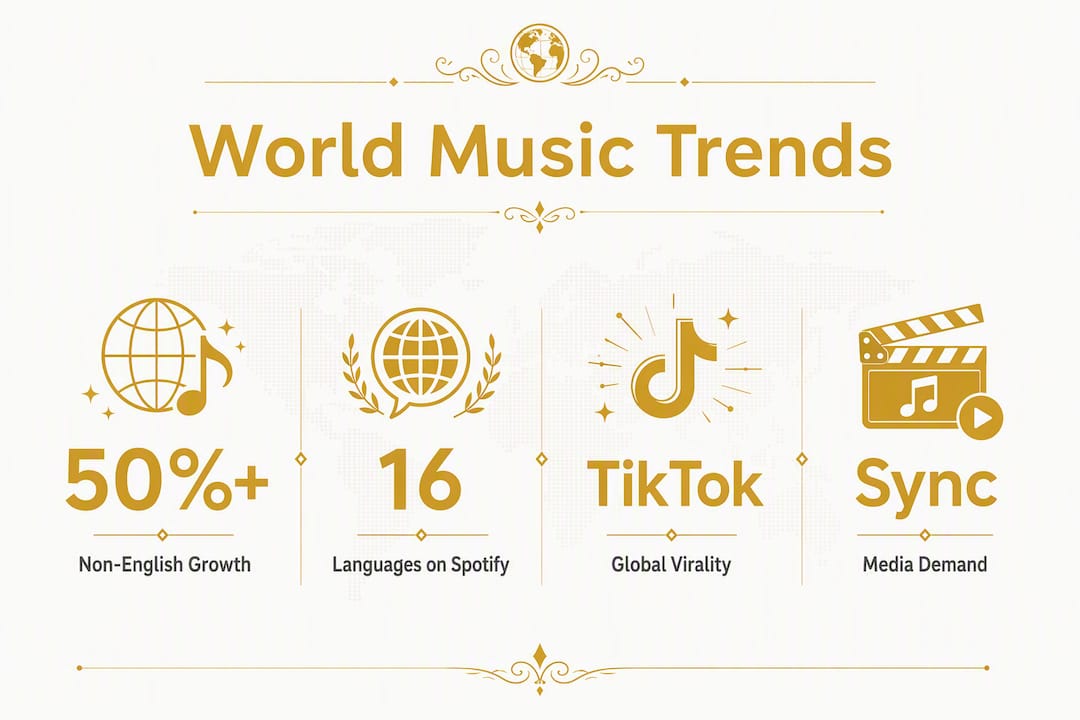
Industry pull. Entertainment companies are prioritizing music-driven storytelling. Universal Music Group’s Globe Originals unit is developing scripted content that starts from music and seeks culturally specific artists at the development stage. Sync demand from film, TV, and brands is growing alongside it.
Audience change. Luminate data cited by Euronews shows Spanish-language music alone reached 120.9 billion U.S. streams. Audiences are choosing cultural specificity, not just novelty.
Statistic callout: Spotify’s Top 50 now spans 16 languages, and the presence of non-English songs has doubled since 2020. For organizers, that is audience permission to program world music without risk.
| Driver | What it means for organizers |
|---|---|
| Platform language diversity | Proven audience appetite for non-English music |
| Social virality (TikTok, Reels) | Regional genres reach mainstream audiences fast |
| Sync and content demand | Film/TV/brands actively seek culturally specific artists |
| Luminate streaming volume | Documented U.S. demand for non-Western music |
What this trend means for your programming and marketing
The shift is structural, not a fad. Here is how to act on it.
Where sitar and Indian classical music fit best. Festivals benefit from the sonic contrast a sitar set provides between louder acts. Corporate events gain cultural prestige and a conversation-starting centerpiece. Ceremonies and weddings use Indian classical music for processionals, cocktail hours, and ambient sets. Film scoring sessions and branded content projects gain bespoke textures that library tracks simply cannot replicate.
How to market it. Skip the generic “world music” label in your promotional copy. Use specific descriptors: Indian classical, raga, sitar. That specificity signals authenticity to your audience and attracts attendees who know what they’re coming for. A cultural music experience framed with context outperforms a vague “global sounds” billing every time.
Avoid tokenism. Program the performance as a full artistic statement, not a brief exotic interlude. Give the artist adequate set time, proper sound reinforcement, and program notes that explain the tradition. Brief your MC on how to introduce the performance respectfully. Pre-concert talks or short workshops deepen audience engagement and generate social content organically.
Measure success. Track attendance against comparable events, social impressions from performance clips, and any sync or licensing inquiries that follow. Qualitative signals matter too: audience feedback, media pickups, and sponsor interest after the event.
Pro Tip: Add a 20-minute pre-show talk or workshop to any sitar booking. Audiences who understand raga structure engage more deeply, stay longer, and share more on social media.
How to hire and program a sitarist step by step
Follow this workflow and you will avoid the most common and costly mistakes.
- Send an initial inquiry. Contact the artist or their representative with your event date, venue, expected audience size, and set duration. Ask about availability and whether the performance is solo or with accompaniment (tabla, tanpura).
- Review the technical rider. A sitarist needs a direct input (DI) box or a quality condenser microphone, a monitor mix they can control, and a quiet stage environment. Confirm these with your sound engineer before signing anything.
- Confirm contract and licensing terms. For live events, a standard performance agreement covers the basics. For media, film, or branded content, you need explicit sync and broadcast rights in writing. Direct-artist agreements are cleaner and faster than library licensing.
- Plan the advance window. For U.S. bookings, allow at least 6–8 weeks for domestic artists and 10–12 weeks if international travel is involved. Bespoke arrangements or scoring commissions need more lead time.
- Schedule a rehearsal or sound check. Sitar tuning is sensitive to temperature and humidity. Build in at least 45 minutes for setup and sound check on the day.
- Prepare program materials. Write concise program notes explaining the raga or composition being performed. This is not optional: it sets audience expectations and elevates the perceived value of the event.
- Confirm deliverables for media projects. If you need stems, session files, or a mixed recording, agree on format and delivery timeline before the session begins.
Fee-shaping factors: solo vs. ensemble, travel distance, set duration, and whether bespoke arrangements are required all affect the final fee. Ask for an itemized quote.
Pro Tip: For film and media projects, commission the sitarist at the development stage rather than in post-production. You get a bespoke sonic identity built into the project from day one, and the sitar crossover collaboration process becomes part of your creative brief, not an afterthought.
Why sitar and Indian classical music pay off for events and media
The concrete benefits go beyond novelty.
Emotional depth. Raga-based music is built around specific emotional states (rasas) tied to time of day and season. That intentionality creates a listening experience audiences feel, even without knowing the theory. It is the kind of depth that generic background music cannot deliver.
Sonic uniqueness for branding. The sitar’s timbre is instantly recognizable and culturally specific. For branded content and advertising, that distinctiveness creates a sonic identity that stands apart. Live session sitar recording gives producers a custom asset, not a stock sound.
Cross-cultural appeal. Indian classical music has a global diaspora audience and growing mainstream interest. A single event can attract South Asian communities, world music fans, and general audiences simultaneously.
Media-friendly textures. The sitar’s sustain, ornamentation, and dynamic range translate well to film and TV scoring. Music-first content development, as Hollywood Reporter coverage of UMG’s Globe Originals shows, increasingly demands culturally rooted artists at the creative table.
“The influence of world music on modern genres comes through rhythms, unique instruments, and vocal styles — streaming and playlists have made these authentic regional elements accessible to producers and audiences at scale.” — Eclectic Maestro
A festival that added a dedicated Indian classical set reported stronger social media traction from that slot than from several higher-profile acts, driven by audience members sharing performance clips organically. Sync inquiries followed within two weeks of the event.
Your booking and production checklist
Booking
- Signed performance agreement with clear scope, date, and cancellation terms
- Payment schedule confirmed (deposit + balance)
- Travel and accommodation arranged if applicable
- Visa or work authorization confirmed for international artists
Production
- Technical rider reviewed with your sound engineer
- DI box or condenser microphone confirmed
- Monitor mix and stage dimensions confirmed
- Run-of-show cues shared with the artist in advance
- 45-minute setup and sound check window on the day
Promotion
- Program notes written with specific genre descriptors (Indian classical, raga, sitar)
- Pre-event workshop or talk scheduled if budget allows
- Social media assets (artist bio, performance photos) received from artist
- Language or lyrics guidance included in event materials
Onsite and cultural respect
- MC briefed on respectful introduction language
- Program translations available if your audience is multilingual
- Quiet backstage space provided for tuning and focus
- Audience seated before the performance begins (raga requires attentive listening)
Key Takeaways
World music is trending in media because streaming platforms, social virality, and sync demand have made culturally specific music mainstream, giving event organizers a low-risk, high-reward programming option right now.
| Point | Details |
|---|---|
| Streaming drives demand | Spotify’s Top 50 now spans 16 languages, and non-English song presence has doubled since 2020. |
| Book early and direct | Allow 6–8 weeks minimum for U.S. bookings; direct-artist agreements simplify sync rights. |
| Specificity sells | Use “Indian classical” or “raga” in promotional copy, not generic “world music,” to attract the right audience. |
| Authenticity over tokenism | Program sitar as a full artistic set with program notes and MC prep to maximize audience engagement. |
| Sitarrajib is ready | Rajib Karmakar offers live performances, studio recording, and bespoke scoring for events and media. |
The case for authentic programming
The conversation around cultural music trends often focuses on data: streams, chart positions, sync deals. Those numbers matter. But the more interesting shift is what audiences are actually asking for.
Listeners have grown sophisticated. They can tell the difference between a genuine Indian classical performance and a sitar sample dropped over a beat. That distinction shows up in engagement data, in social sharing, and in whether an event gets talked about afterward. Organizers who treat cultural music as a checkbox miss the opportunity entirely. The ones who program it with context, give it proper stage time, and bring in artists who have spent decades with the tradition, those are the events that earn media coverage and repeat attendance.
The album Incredible Melodies by Rajib Karmakar demonstrates exactly that depth: compositions rooted in raga tradition, recorded with the kind of care that translates to both concert halls and film scores. Workshops and educational sessions extend that depth to your audience before the performance even begins. If you want to discuss bespoke programming or a studio session, reach out through sitarrajib.com.
Sitarrajib: live performances, recordings, and media music
Sitarrajib offers event organizers and media producers a direct path to authentic Indian classical music, without the complexity of library licensing or generic sync negotiations.
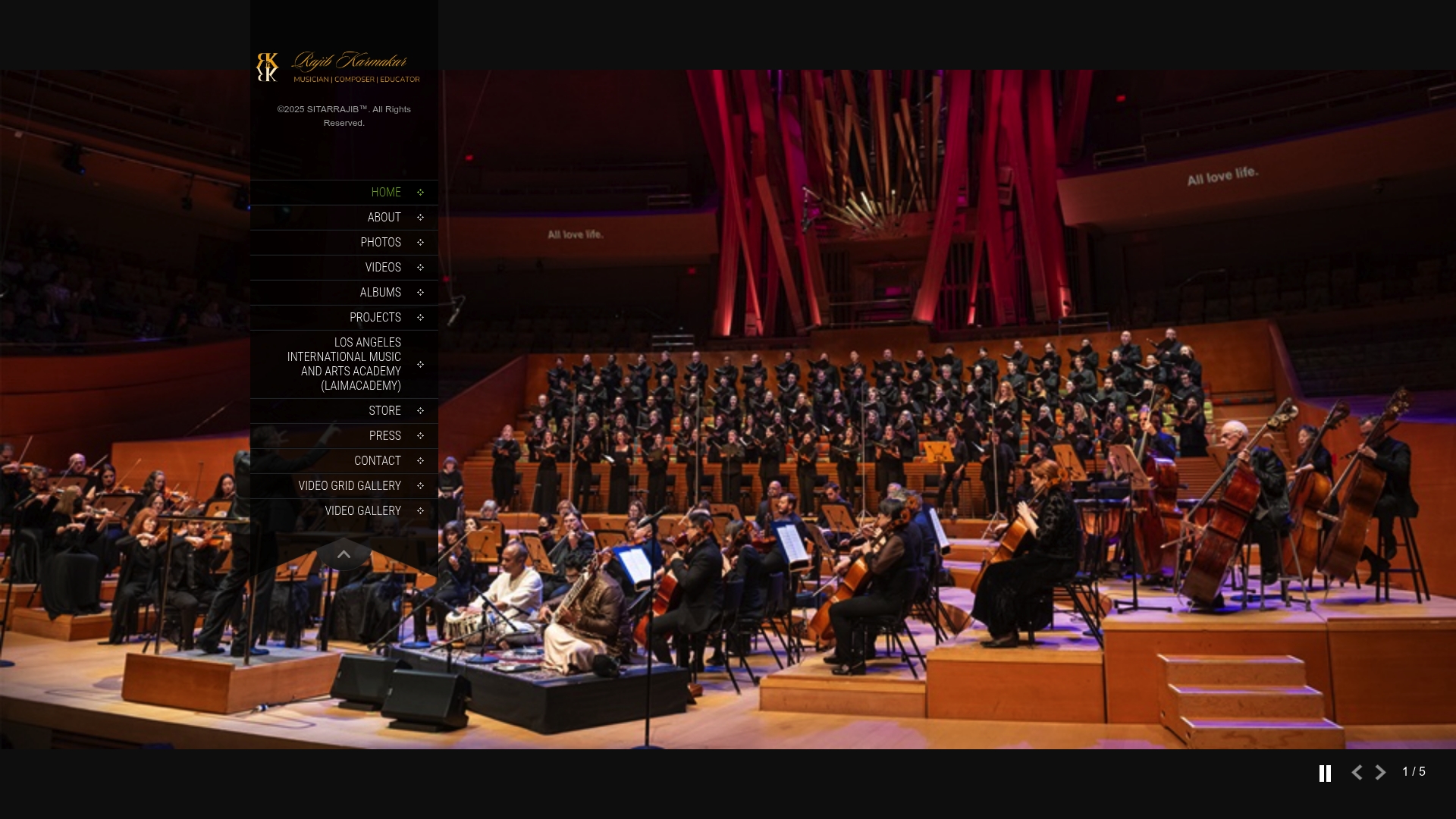
Services include live sitar performances for festivals, corporate events, ceremonies, and concerts; studio sitar recordings for film and branded content; bespoke scoring commissions; workshops; and educational programming. Every engagement comes with a clear technical rider, transparent fee structure, and direct communication with Rajib Karmakar. For corporate event programming, Sitarrajib handles the logistics that typically slow down bookings. Check availability, request a production rider, or ask for a recording sample at sitarrajib.com.
Useful sources
| Source | What it supports | Link |
|---|---|---|
| Euronews — Music beyond English | Streaming language diversity, 16-language Spotify Top 50, non-English doubling | Euronews |
| MusicTimes — Africa, Latin America, K-Pop | Amapiano 1.4B streams; regional genres scaling globally without Westernization | MusicTimes |
| Nature — Popular music and globalization | Academic evidence linking platform openness to music diversity and cultural exchange | Nature |
| Hollywood Reporter — UMG Globe Originals | Industry-side sync and music-driven storytelling demand | Hollywood Reporter |
| Eclectic Maestro — World music influence | World music’s cross-genre influence through instrumentation and streaming access | Eclectic Maestro |