
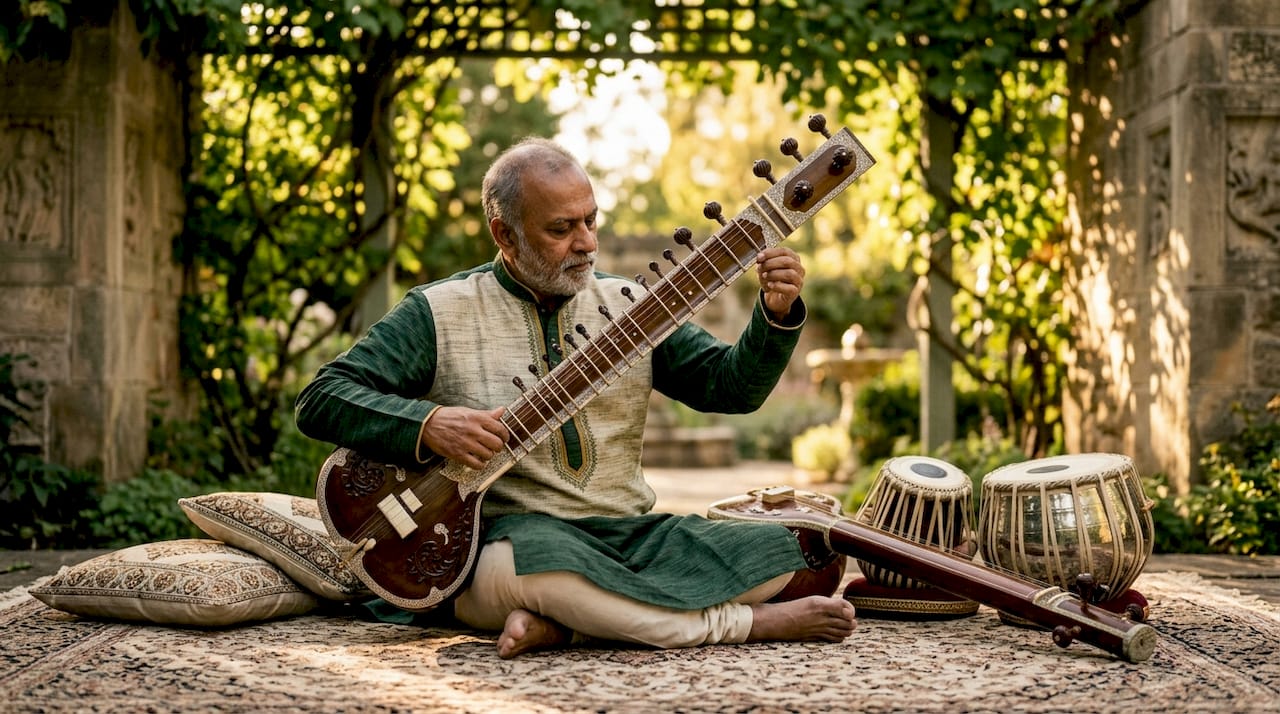
Indian classical music is the most emotionally precise ceremonial music tradition in the world. Its raga system maps specific melodic modes to time, mood, and ritual intent, making it far more than background sound. For planners seeking to understand why Indian classical music suits ceremonies, the answer starts with one concept: music designed from the ground up to move people at a specific moment. Whether you are planning a wedding, a spiritual gathering, or an interfaith event, this tradition offers tools no playlist can replicate.
Why Indian classical music suits ceremonies: the raga system explained
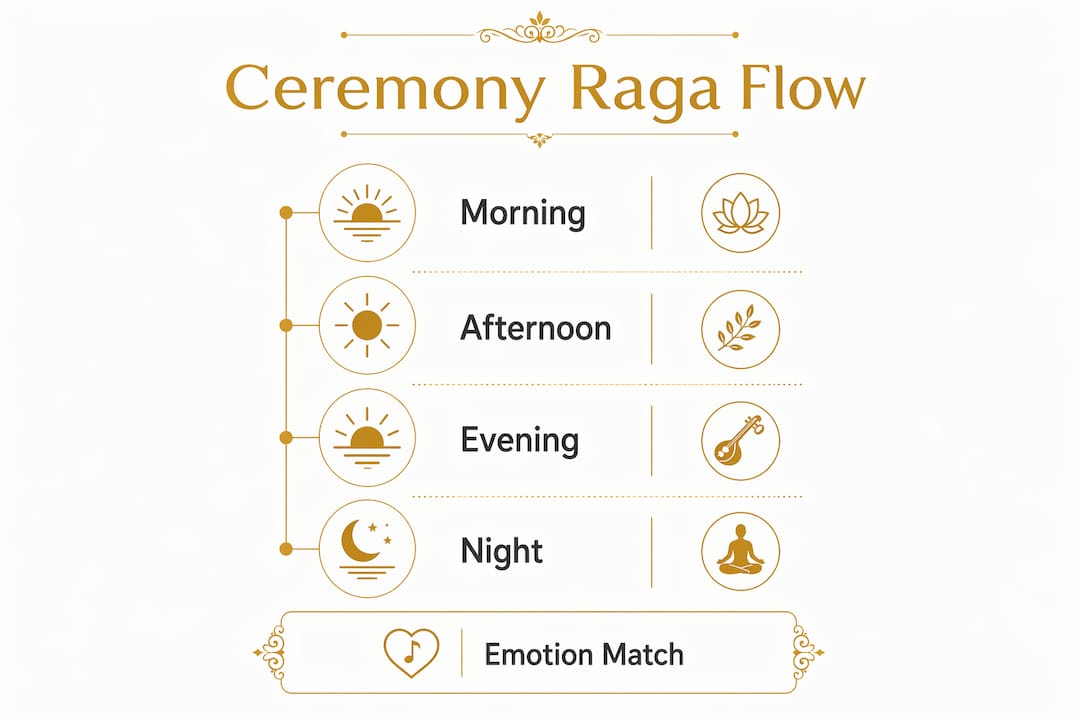
The raga system is the core reason Indian classical music works so well in ceremonial settings. A raga is not just a scale. It is a melodic framework tied to a specific emotional state, time of day, and even season. The Samay Chakra maps specific ragas to three-hour time segments, aligning the music with guests’ natural physiological and psychological states. That alignment is what makes the music feel right, not just pleasant.
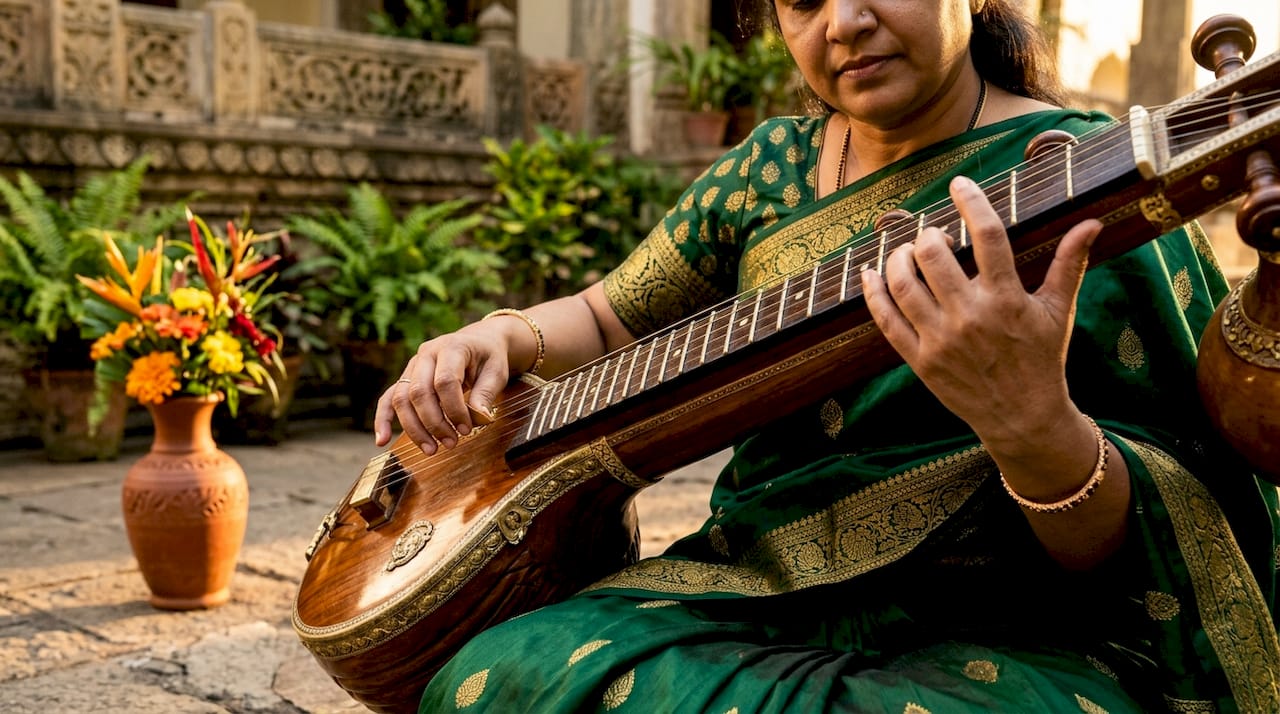
Consider how this plays out in a real ceremony. Raga Bhairav, traditionally performed at dawn, carries a meditative, introspective quality. It suits a quiet pre-ceremony gathering or a moment of reflection before vows. Evening ragas, by contrast, carry devotional intensity, making them ideal for the main ritual or a reception entrance. The music does not just fill silence. It shapes the emotional arc of the event.
This approach differs sharply from Western ceremonial music, which typically relies on lyrics and harmonic resolution to create feeling. Indian classical music’s goal is union through meditative note exploration, dissolving the boundary between performer and listener. That collective experience is exactly what a ceremony needs.
- Dawn and early morning: Raga Bhairav, Raga Todi. Calm, meditative, introspective.
- Late morning: Raga Bhimpalasi, Raga Desh. Warmth, joy, gentle celebration.
- Evening: Raga Yaman, Raga Bhairavi. Devotion, longing, emotional depth.
- Night: Raga Darbari, Raga Bageshri. Stillness, reverence, spiritual weight.
Pro Tip: Ask your musician which raga they recommend for each stage of your ceremony, not just the overall event. A skilled performer will match the music to the emotional beat of each moment.
Carnatic music, the South Indian classical tradition, takes a slightly different approach. It emphasizes bhava, or emotional essence, over strict time rules. Morning performances lean toward calm and clarity, afternoons toward vitality, and evenings toward introspection. This flexibility makes Carnatic music especially practical for planners who need emotional precision without rigid scheduling.
Does Indian classical music work for interfaith ceremonies?
Indian classical music works exceptionally well for interfaith ceremonies because its power comes from sound, not scripture. The concept of Nada Brahma holds that the universe itself is sound, and that music is a direct expression of divine energy. That idea does not belong to any single religion. It resonates across Hindu, Sufi, Buddhist, and secular traditions alike.
Real examples confirm this. Punjabi Zaboor, a devotional form set to classical ragas, demonstrates how Indian classical music crosses religious and cultural lines by amplifying emotional meaning rather than decorating a specific text. The music interprets and deepens the feeling of a moment without requiring the audience to share a particular belief. That is a rare quality in ceremonial music.
“Musicians cross cultural lines by focusing on pure devotion and universal sound energy. The music becomes a shared container for whatever meaning each listener brings to it.”
The bhakti tradition, which centers on devotional intent, is another reason Indian classical music suits interfaith settings. A performer steeped in bhakti plays not to display technique but to create a shared emotional space. Guests from any background can enter that space. You can see this principle at work in Rajib Karmakar’s concert performances, where the sitar creates connection across diverse audiences without a single word.
The cultural significance of Indian music in interfaith settings also comes from its non-verbal nature. No one needs to understand a language to feel the pull of a raga. That universality makes it one of the most inclusive ceremonial music choices available.
What are the practical benefits of live Indian classical music at events?
Live Indian classical music delivers something recorded audio cannot: a real-time emotional response to the room. Demand for live Indian classical performances at weddings doubled in the past year, with curated acts creating cultural immersion that playlists simply cannot match. That growth reflects what planners are discovering firsthand.
Here is what live performance adds to a ceremony:
- Real-time responsiveness. A live musician reads the room and adjusts tempo, mood, and intensity as the ceremony unfolds. A playlist cannot do that.
- Ritual synchronization. The shehnai, a traditional Indian wind instrument, played live during a bridal entrance creates an energetic connection that recorded audio cannot replicate.
- Cultural authenticity. Live performance signals respect for the tradition. Guests recognize the difference between a curated live act and a streaming service.
- Atmosphere elevation. Thematic decor paired with live classical music, such as a Sufiyana-style setup, creates a fully immersive environment rather than a decorated room with background sound.
- Emotional anchoring. Indian ragas act as biopsychological stimuli, modulating neural and endocrine systems to create emotional immersion. Live performance intensifies that effect because the sound is acoustic, present, and unrepeatable.
The trend toward live classical acts also reflects a broader shift in wedding music trends, where couples and planners prioritize experience over convenience. A live sitar or shehnai performance becomes a memory. A playlist becomes background noise.
Pro Tip: Book your musician for a pre-ceremony walkthrough. Walk through each ritual stage and discuss which musical moment supports it. This turns a performance into a ceremony design element.
How do you integrate Indian classical music into your ceremony effectively?
Effective integration starts with treating the music as a structural element, not a decoration. Indian classical music is designed to open emotional channels before textual or ritual elements begin. That means the music should start before guests are seated, not after. It sets the emotional tone for everything that follows.
- Map music to ritual stages. Identify the key emotional moments: arrival, procession, vows or ritual exchange, blessing, and departure. Assign a raga or instrument to each.
- Choose instruments intentionally. The sitar carries meditative depth. The shehnai signals celebration and auspiciousness. The tabla drives rhythm and energy. Each instrument communicates something specific.
- Brief your musician on the ceremony structure. Share a timeline, not just a mood board. A skilled performer needs to know when to build, when to hold back, and when to resolve.
- Avoid treating the music as background. Musicians who specialize in Indian classical music for ceremonies consistently warn against this. Active integration, where the music responds to and shapes ritual moments, creates meaning. Passive background music wastes the tradition’s power.
- Consider the acoustic environment. Ragas performed on acoustic instruments need a space where the sound can breathe. Outdoor venues with hard surfaces or large indoor halls may require light amplification to preserve the music’s texture.
The Indian music notation system and the raga framework give musicians a shared language for planning. When you work with a trained classical performer, you are working with someone who has a precise vocabulary for matching sound to emotion. Use that expertise.
Key Takeaways
Indian classical music suits ceremonies because its raga system aligns sound with emotion, time, and ritual intent in ways no playlist or Western music tradition can replicate.
| Point | Details |
|---|---|
| Raga system matches emotion to moment | Each raga maps to a time of day and emotional state, making music selection precise rather than generic. |
| Nada Brahma enables interfaith use | The concept of universal sound energy makes Indian classical music inclusive across religions and cultures. |
| Live performance outperforms recorded audio | Live musicians respond to the room in real time, synchronizing music with ritual flow for deeper impact. |
| Bhava guides Carnatic flexibility | South Indian classical music prioritizes emotional essence over strict timing, suiting diverse ceremony schedules. |
| Active integration is required | Treating music as a structural ceremony element, not background sound, is what creates lasting emotional impact. |
Why this tradition still surprises me after years of performing
I have played sitar at ceremonies ranging from traditional Hindu weddings in Los Angeles to interfaith gatherings where guests came from a dozen different backgrounds. The thing that still catches me off guard is how quickly a raga cuts through unfamiliarity. People who have never heard Indian classical music before will go quiet within the first two minutes of a live performance. Not politely quiet. Actually still.
What I have learned is that the music works because it does not ask anything of the listener. You do not need to know the tradition, the raga name, or the instrument. The sound does the work. That is what Nada Brahma actually means in practice. It is not a philosophical concept you explain to guests. It is something they feel before they have time to think about it.
The mistake I see planners make most often is booking Indian classical music and then scheduling it during cocktail hour as ambient sound. That wastes everything the tradition offers. The raga needs space and attention to do what it does. When a ceremony is structured so that the music leads a ritual moment, the effect is completely different. Guests remember it. They talk about it afterward.
My honest advice: treat the musician as a co-designer of the ceremony, not a vendor. The conversation you have before the event determines whether the music becomes part of the memory or just part of the room.
— Rajib
Live Indian classical music for your ceremony with Sitarrajib
Planning a ceremony and want the music to actually mean something? Sitarrajib offers live sitar performances and personalized ceremony music experiences designed for weddings, cultural events, and interfaith gatherings across the United States.
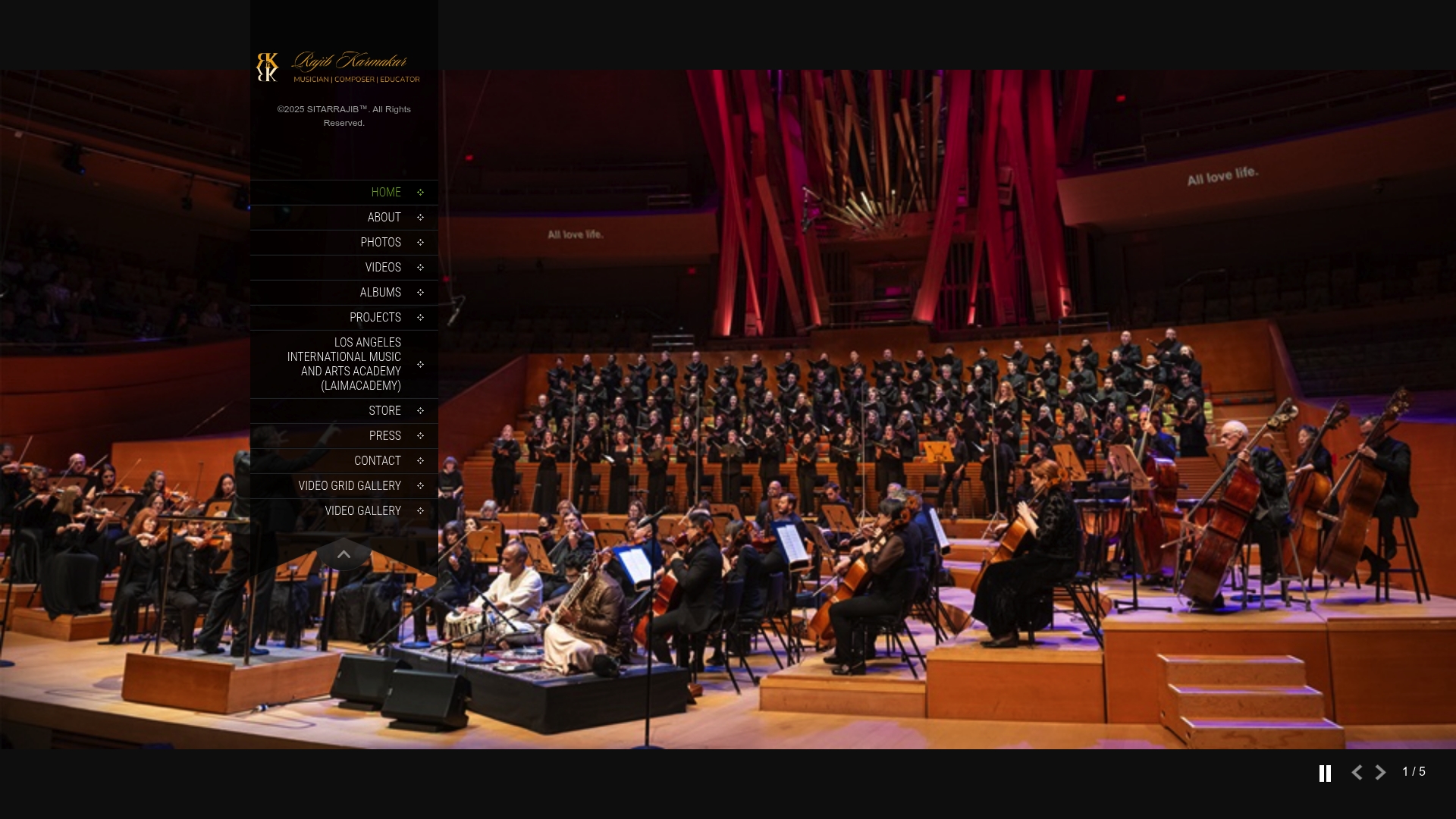
Rajib Karmakar brings over two decades of performance experience to every event, selecting ragas and instruments that match your ceremony’s specific emotional arc. Whether you need a meditative pre-ceremony atmosphere or a celebratory entrance, the music is planned with the same care as the ritual itself. You can explore live sitar recording options for ceremony documentation, or visit Sitarrajib’s official page to view the full range of performance and booking options.
FAQ
Why does Indian classical music work so well at ceremonies?
Indian classical music uses the raga system to align specific melodic modes with emotional states and times of day. This makes it uniquely suited to shaping the emotional arc of a ceremony from arrival through the final ritual moment.
What is a raga and how does it affect ceremony atmosphere?
A raga is a melodic framework tied to a specific emotion, time, and season. The Samay Chakra maps ragas to three-hour time segments, so a musician can select music that matches the natural psychological state of guests at each stage of the event.
Can Indian classical music work for interfaith ceremonies?
Yes. The concept of Nada Brahma, which holds that sound is universal divine energy, means Indian classical music carries devotional power without belonging to any single religion. It has been used effectively in Hindu, Sufi, Buddhist, and secular ceremonies.
Is live performance better than recorded Indian classical music for ceremonies?
Live performance is significantly more effective. A live musician reads the room, adjusts in real time, and synchronizes with ritual moments. Demand for live Indian classical acts at ceremonies doubled in the past year, reflecting what planners are finding in practice.
How do I choose the right Indian classical music for my ceremony?
Work with your musician to map a raga or instrument to each ritual stage. Share your ceremony timeline, identify the key emotional moments, and ask for specific raga recommendations rather than a general playlist.