

A destination wedding music act is any solo performer, duo, band, or DJ hired to provide live or mixed entertainment for a wedding held away from the couple’s home city, usually in a resort, villa, or beach setting. Two decisions shape everything that follows: what format fits the venue, and whether you hire local, fly in your own act, or blend both.
Here’s your immediate shortlist:
- Format options: solo performer, duo/trio, roaming acoustic ensemble, full band, DJ, or a hybrid pairing
- Sourcing choices: a local act, a flown-in act, or a hybrid where local production supports a flown-in lead musician
- Vetting reference: organizations like WIPA list standards for evaluating wedding vendors before you sign anything
- Specialist option: boutique acts, including Indian classical performers under names like SITARRAJIB, are increasingly booked to add a distinct, cultural moment to ceremonies
Get these two decisions right, and the rest of your music planning falls into place fast.
Key Takeaways
Choosing a destination wedding music act comes down to matching format to moment, deciding local versus fly-in with clear criteria, and locking logistics in writing well before travel.
| Point | Details |
|---|---|
| Match format to moment | Use a solo or duo for ceremonies, a full band or DJ for dancing, and hybrid setups for remote venues. |
| Decide sourcing early | Choose local, fly-in, or hybrid based on budget, guest mix, and how specific your desired sound is. |
| Budget for the full trip | Factor flights, lodging, per diems, and equipment rental into the fee, not just the performance rate. |
| Lock the technical rider | Confirm power, curfew, and load-in windows with a local production contact at least two weeks out. |
| Consider a specialist act | SITARRAJIB offers live sitar performances built around one defined moment, backed by a production-ready rider for destination venues. |
Table of Contents
- What Are the Different Destination Wedding Entertainment Options?
- Should You Hire a Local Act or Fly One In?
- What Does a Destination Wedding Music Act Actually Cost?
- What Should Be in the Technical Rider and Venue Checklist?
- When Should You Book Your Destination Wedding Music?
- What Should You Ask Before Hiring a Wedding Music Act?
- How a Specialist Act Like a Sitarist Fits Into a Destination Wedding
- What’s the Real Tradeoff Most Couples Get Wrong?
- Book a Specialist Live Music Moment for Your Destination Wedding
- Frequently Asked Questions
- Sources
What Are the Different Destination Wedding Entertainment Options?
Every format has a job to do, and the mistake most couples make is picking one act to cover the whole weekend instead of matching formats to moments.
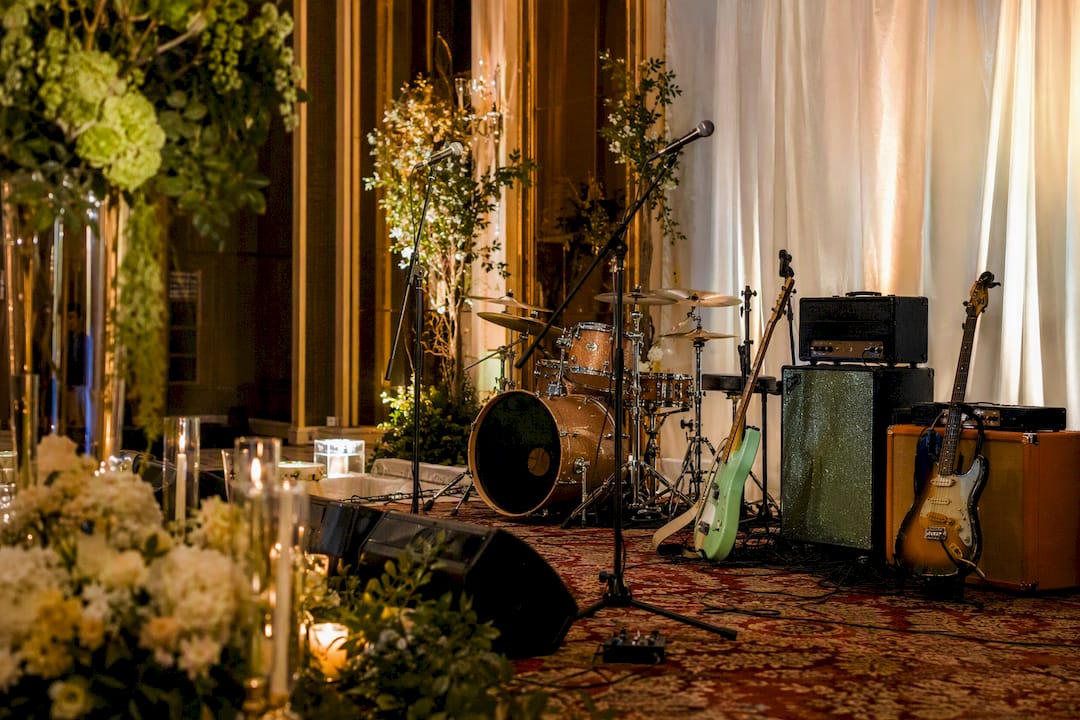
A solo performer (guitarist, pianist, or a sitarist) works best for ceremonies and cocktail hours where you want texture without volume. A duo or trio adds harmony and rhythm while staying light enough for a small terrace or beach setup. A roaming acoustic ensemble moves through cocktail crowds, which is ideal when your venue has multiple small spaces instead of one big room. A full band covers dance-heavy receptions but needs real stage space, several outlets, and often a generator if you’re on a beach. A DJ offers the widest song catalog and the smallest footprint, which matters at venues with tight load-in access. A hybrid format, pairing a DJ with a live soloist or small ensemble, gives you the reliability of recorded tracks with the personality of a live moment.
- Beach ceremony: a solo or duo act, since wind and sand make a full band’s setup impractical.
- Villa cocktail hour: a roaming acoustic duo or trio that can shift locations as guests move.
- Sunset dinner: a duo or trio with light amplification, keeping conversation possible.
- Late-night dancing: a full band or DJ, or the hybrid combination if you want a live solo moment before the DJ takes over.
Roaming ensembles and hybrid DJ-plus-soloist setups are commonly recommended for outdoor or remote venues because they cut the production footprint while still giving guests something memorable to watch.
Pro Tip: Book one distinct live moment (a processional solo, a first-dance duet, or a cultural performance) rather than trying to have live music running for eight straight hours. Guests remember the highlight, not the runtime.
Should You Hire a Local Act or Fly One In?
The honest answer is: it depends on your budget, your guest list, and how specific your musical vision is. Destination wedding planners consistently frame this as a choice between a local band and a flown-in act, with the right call resting on a few practical factors.
- Budget: local acts skip flights, hotel nights, and per diems, which usually makes them the cheaper route.
- Sound specificity: if you have your heart set on one particular artist or genre, flying them in guarantees that exact sound.
- Guest demographics: a mixed international guest list often benefits from a local act who already knows regional favorites.
- Venue remoteness: a hard-to-reach island or mountain venue raises the cost and complexity of flying anyone in, gear included.
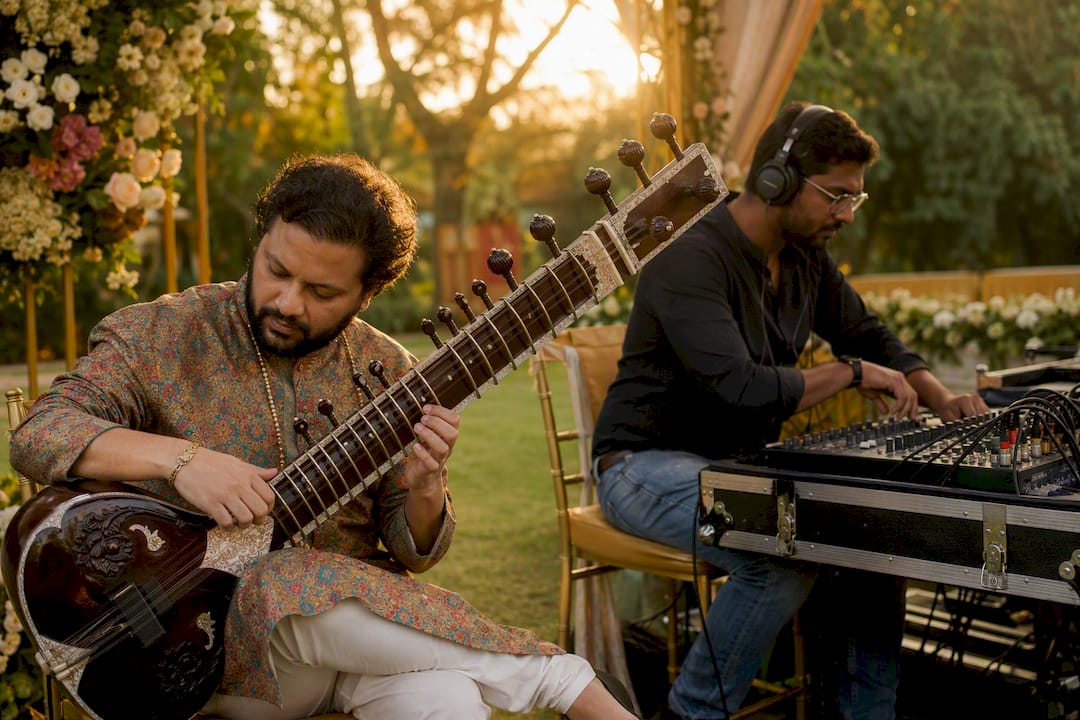
Local hires make sense when your budget is tight, the destination has strong musical talent, and the venue’s in-house team already has relationships with nearby vendors. Flying in your act is worth the premium when the sound itself is part of your wedding’s identity, something a sitar performance or a specific band’s catalog can’t be replicated by a local substitute.
The middle path, and often the smartest one, pairs local production support with a flown-in lead performer. You get the specific artist you want without shipping an entire backline across borders.
What Does a Destination Wedding Music Act Actually Cost?
Destination bookings run higher than the same act’s local rate, and it’s not padding. Musicians typically price in the travel days and lost opportunity cost of being unavailable for other bookings during that stretch.
Expect these line items on any serious quote:
- Base performance fee, the act’s standard rate for the ceremony, cocktail hour, or reception set
- Flights for every performer, plus any crew
- Accommodation for the number of nights the act is on-site, including travel days
- Per diems covering meals and incidentals while traveling
- Equipment shipping or local rental, since some gear travels and some gets rented on arrival
- Insurance, covering instruments, liability, and sometimes travel cancellation
- Local crew, if the venue needs a sound engineer or stagehands the act doesn’t travel with
By the Numbers: Experienced destination musicians frame their fees to cover a full week’s commitment, not just the performance itself, which is why a two-hour set can carry a multi-day price tag.
On the logistics side, confirm whether your destination requires a work visa or performance permit for foreign musicians, what the airline’s instrument policy allows in the cabin versus checked baggage, and how ground transport gets the act and gear from airport to venue. Bulky instruments like drum kits are usually rented locally rather than shipped, since customs paperwork and freight costs rarely make sense for gear you can source on-site. A destination wedding logistics checklist is worth reviewing alongside your music budget so nothing falls through the cracks.
What Should Be in the Technical Rider and Venue Checklist?
A rider is the document that tells the venue exactly what the act needs to perform without surprises, and skipping this step is the single most common cause of day-of failures.
- PA specifications, including speaker count and placement suited to the venue’s size
- Power requirements, with voltage and plug type confirmed for the destination country
- Monitors, so performers can hear themselves on outdoor or windy stages
- DI boxes and spare microphones, since backups matter more when replacement gear isn’t available same-day
- A stage plot and input list, showing exactly where each performer and mic stands
- Venue decibel limits and curfew times, especially for beach and residential-adjacent properties
- Stage access and load-in windows, confirmed with enough buffer for setup and soundcheck
Bands with real destination experience treat soundcheck timing and venue restrictions as core competencies, not afterthoughts. Confirm venue sound policies in writing and schedule an explicit technical call between the act and the venue’s production lead at least two weeks out, catching curfew or power surprises before they become wedding-day problems.
Pro Tip: Designate one local production contact, whether that’s the venue’s AV manager or a hired sound engineer, who can troubleshoot in person if something goes wrong. A phone call to a musician still in transit doesn’t fix a blown fuse.
For a deeper look at what belongs in a performance rider, see this guide on sitar performance logistics for event planners.
When Should You Book Your Destination Wedding Music?
Destination entertainment often covers more than one event, ceremony, rehearsal dinner, cocktail hour, and reception, so your booking timeline needs to account for multiple performances, not one set.
- 12+ months out: book your act, confirm format, and pay the deposit.
- 9 to 12 months out: finalize travel dates and lock in flights and accommodation while fares are still reasonable.
- 6 months out: confirm any local permits or work authorizations needed for foreign performers.
- 3 months out: decide what gear ships versus what gets rented locally, especially drums or large instruments.
- 6 to 8 weeks out: finalize repertoire, including ceremony processional choices and reception must-plays.
- 2 weeks out: hold the technical call confirming power, curfew, and load-in windows.
- Week of: confirm arrival times, soundcheck slot, and ground transport for the act.
If you’re still working through ceremony music choices, this breakdown of processional timing and song picks is worth reading before you lock repertoire.
What Should You Ask Before Hiring a Wedding Music Act?
Ask direct questions, and put the answers in writing. A verbal promise about backup musicians means nothing if someone misses a flight.
- Have you performed at destination venues before, and can you share video from a similar setting?
- What’s your backup plan if a musician can’t travel or gear is delayed?
- Do you carry liability and equipment insurance, and does it extend to international travel?
- Can your repertoire flex for a multilingual or international guest list?
Your contract should itemize travel costs line by line, spell out cancellation and force majeure terms, assign curfew liability if the venue gets fined for noise violations, and attach the technical rider as a binding document. A red flag: any act unwilling to put backup musician plans in writing, or one who quotes a flat fee with “travel extra, TBD.” That’s how budgets blow up two weeks before the wedding.
Pro Tip: Ask for references from couples who married in a similar climate or venue type, beach, mountain, or urban rooftop. A band that nails a ballroom gig doesn’t automatically handle wind, humidity, and outdoor power the same way.
For more on comparing formats before you commit, live band versus DJ tradeoffs is a useful next read.
How a Specialist Act Like a Sitarist Fits Into a Destination Wedding
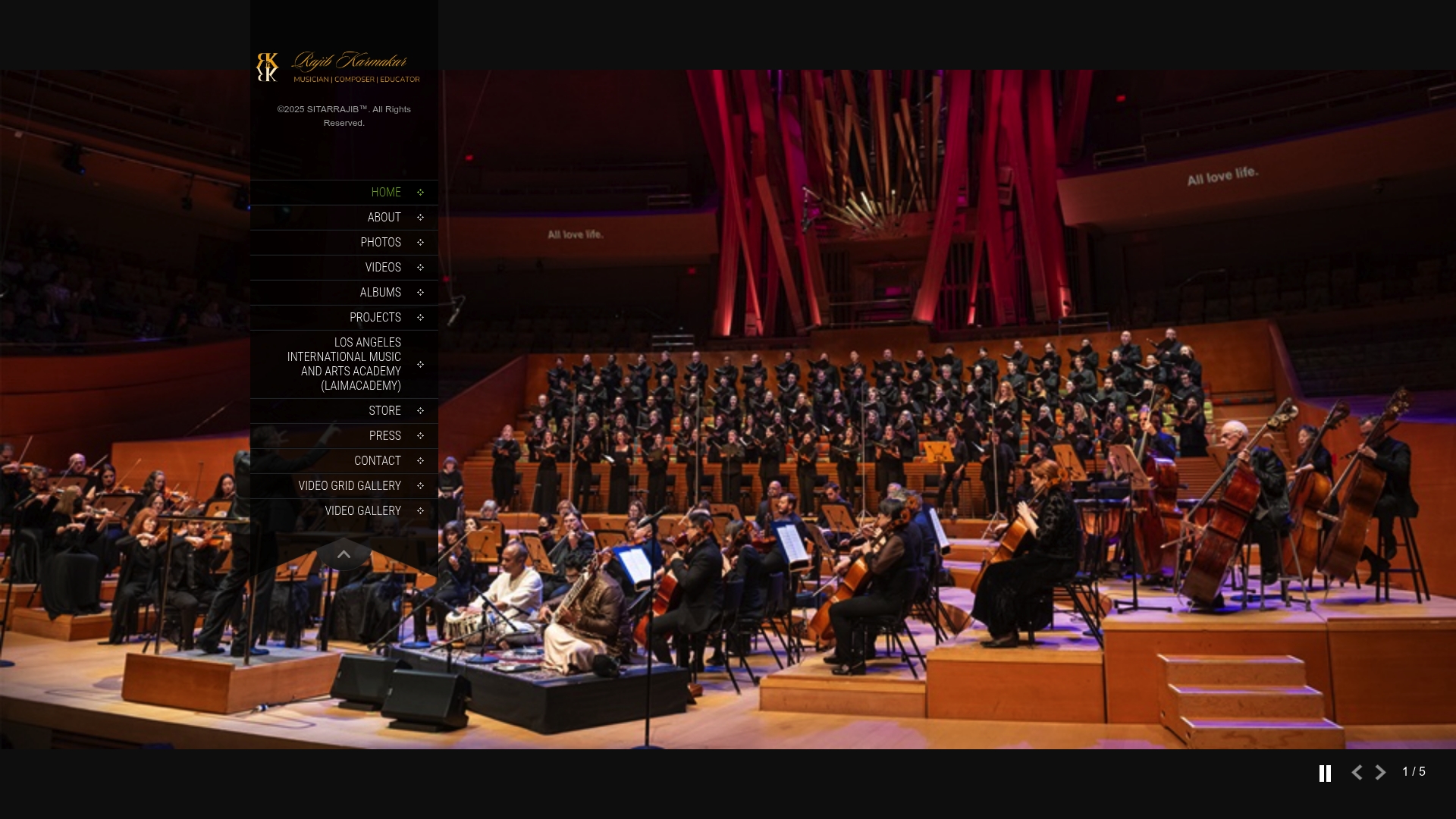
Rajib Karmakar, performing under SITARRAJIB, is a Los Angeles based sitarist, composer, and educator who has built a career blending Indian classical music with contemporary and cinematic sound for weddings, concerts, and corporate events.
In practice, a specialist act like a sitar performance usually slots into one specific moment rather than running all night: a ceremony processional, a first-look moment, or a cocktail-hour set that gives international guests something they won’t hear at every other wedding. For dancing later, that same act often hands off to a DJ, with a shared input list and monitor setup agreed in advance so the transition feels intentional rather than abrupt.
A destination rider for a solo sitar performance is lighter than a full band’s, but it still needs specific accommodations: a DI box suited to the instrument’s amplification needs, a stage surface that won’t shift on sand or grass, and a monitor mix that lets the performer hear clearly over ocean wind or open-air acoustics. Getting those details confirmed before travel is what separates a smooth ceremony from a scramble.
What’s the Real Tradeoff Most Couples Get Wrong?
Most planning advice treats “local versus fly-in” as a binary choice, and that framing sells couples short. The stronger question isn’t which one to pick. It’s which parts of the weekend need predictability and which parts can lean on local talent.
A ceremony moment that’s meant to feel distinct, a cultural performance, a specific artist’s sound, benefits from flying in a specialist. But shipping an entire backline, drums included, across borders for a reception set that a competent local band or DJ could cover just as well is where budgets get wasted. The couples who plan well aren’t the ones who spend the most. They’re the ones who spend deliberately, putting the premium dollars toward the one or two moments that actually need a flown-in act, and letting local production carry the rest.
The other underrated factor: a rider and a local production contact matter more than the act’s fame. A famous name with a vague technical plan will struggle on an unfamiliar stage just as much as an unknown one will. Production discipline, not star power, is what actually prevents day-of disasters.
Book a Specialist Live Music Moment for Your Destination Wedding
If you’re planning a ceremony or cocktail hour moment that needs to feel genuinely distinct, not just another cover band playing the same reception standards, a specialist act built around one instrument and one clear sound is worth considering. SITARRAJIB offers live sitar performances designed to integrate into a single, well-defined slot in your weekend: a processional, a cultural interlude, or a hybrid set that hands off cleanly to your DJ for dancing.
Every booking comes with a production-ready rider covering power, monitoring, and stage setup, so your venue’s team knows exactly what to prepare before travel days even begin. To check availability and start the conversation, review the technical requirements for booking a sitar performance and reach out with your date and venue details to get a direct quote.
Frequently Asked Questions
What is a destination wedding music act, exactly?
It’s any performer or group, solo, duo, band, or DJ, hired to provide entertainment for a wedding held away from the couple’s home area, typically requiring travel, lodging, and added production planning beyond a standard local booking.
Is a live band or a DJ better for a destination wedding?
Neither is universally better. Bands give a fuller live sound but need more stage space and power, while DJs offer wider song variety and easier setup, and many couples use a hybrid of both.
How far in advance should we book destination wedding music?
Book your act 12 months or more ahead, since travel dates, accommodations, and repertoire all need to lock in well before the final weeks, especially for flown-in specialists.
Do destination wedding bands cost more than local ones?
Yes, typically. The premium covers flights, lodging, per diems, and the lost opportunity cost of the act being unavailable for other work during travel days.
Should we ship instruments or rent locally at the destination?
Ship what’s essential and hard to replace; rent bulky items like drum kits locally, which is standard practice to avoid shipping costs and customs delays.