
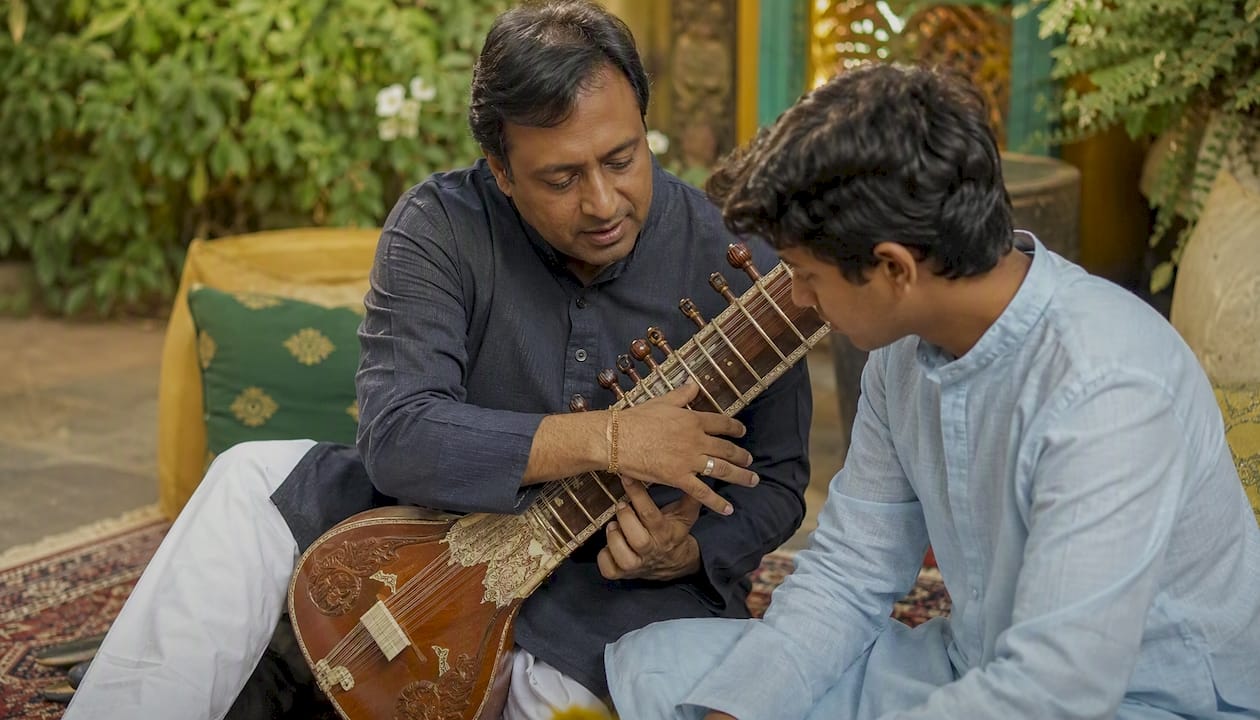
Private sitar lessons in India typically run at varied hourly rates for individual sessions, while monthly plans vary depending on teacher experience, class size, and city. Structured certification packages through Prayag Sangeet Samiti publish quarterly fee tables for both individual and group formats, giving you a clear, multi-month budget to work with. For private lessons with a working professional, Sitarrajib (Rajib Karmakar) is a recommended option.
Here’s how the main pricing models break down:
- Per-hour private lessons: rates vary depending on teacher credentials and location
- Monthly group or subscription plans: prices vary around a few thousand rupees per month for 4–6 classes (a common format at schools like Path of Music College in Gurgaon, priced at ₹4,000/month)
- Structured certification packages: Quarterly fees through Prayag Sangeet Samiti, with separate Indian and international pricing tiers
Key Takeaways
Sitar lesson costs in India range from ₹500 to ₹8,000+ per session depending on teacher experience, class size, and format, making a trial lesson the smartest first step before committing to any package.
| Point | Details |
|---|---|
| Typical India price range | Private lessons run ₹500–₹2,000/hour; monthly group plans start around ₹2,000–₹4,000. |
| Certification path | Prayag Sangeet Samiti publishes quarterly fee tables with defined syllabi for structured, exam-track learning. |
| Instrument budget | Plan ₹5,000–₹15,000 for a beginner sitar, plus ₹2,000–₹5,000 for a tanpura device and ongoing maintenance costs. |
| Trial lesson first | Most reputable teachers offer a free or low-cost demo class; always take it before paying for a package. |
| Sitarrajib for private lessons | Sitarrajib (Rajib Karmakar) offers private lessons, workshops, and performance coaching with flexible formats and personalized syllabi. |
Table of Contents
- How much do sitar lessons cost? A real pricing breakdown
- What lesson formats and schedules actually look like
- What drives sitar lesson price differences?
- How to pick the right sitar teacher
- Online vs. in-person sitar lessons: which is right for you?
- What else you need to budget for beyond lessons
- How long does it take to learn sitar?
- What Sitarrajib offers for private sitar lessons
- A teacher’s honest note on learning sitar
- Ready to book a trial lesson with Sitarrajib?
- Sources
How much do sitar lessons cost? A real pricing breakdown
Sitar lesson costs in India fall into three clear bands. Knowing which one fits your goals saves you from overpaying early or underpaying when technique actually matters.
Low-cost options: ₹500–₹1,500/month
Group classes and beginner-level teachers make up this tier. You’ll typically get 4–6 sessions per month in a small group, often 45–60 minutes each. Path of Music College in Gurgaon charges ₹4,000/month for 4–6 classes, which works out to roughly ₹700–₹1,000 per session. Many schools at this level offer a free demo class so you can check fit before paying.
What’s included: basic raga introduction, posture guidance, and group feedback. Exam prep is rarely part of the package at this price point.
Mid-range: ₹1,500–₹3,500/hour (private tutors)
Experienced private teachers with 5–15 years of teaching history sit here. Sessions are typically 45–60 minutes, one-on-one, with a personalized syllabus. This tier often includes recorded feedback, basic tanpura accompaniment, and some exam preparation if you’re following a certification path.
Prayag Sangeet Samiti’s quarterly fee structure fits this band for Indian students, with defined syllabi and clear multi-month pricing that makes budgeting straightforward.
High-end: ₹3,500–₹8,000+/hour (master teachers and performance coaching)
Senior musicians with active concert careers, recording credits, or international teaching experience charge at this level. Sessions often include performance coaching, improvisation work, and studio-ready feedback. For context, the Darbar Academy lists a subscription-style online sitar course at £49/month (an international benchmark), and international marketplace data from Superprof puts the average hourly rate around US$26 for tutors globally. Indian rates for comparable teachers are generally lower, but top-tier coaching in metro cities can approach or exceed those figures.
Free trial availability: Most reputable teachers and schools offer one free or discounted demo class. If a provider doesn’t offer any trial option, that’s worth noting before you commit to a package.
What lesson formats and schedules actually look like
Lesson length directly affects both your monthly cost and how fast you progress. Here’s how the common formats compare:
- 30-minute sessions: Rare for sitar; the instrument’s tuning and warm-up alone eat into a short window. Mostly seen in children’s beginner programs.
- 45-minute sessions: A practical middle ground for students with limited time. Good for maintaining basics, not ideal for learning new compositions.
- 60-minute sessions: The standard for serious learners. Enough time to warm up, work on technique, learn new material, and review.
Sample weekly schedules by goal
- Casual hobbyist: One 45-minute session per week, self-practice 15–20 minutes daily. Expect slow but steady progress over 12–18 months.
- Steady learner: Two 60-minute sessions per week, 30–45 minutes of daily practice. Intermediate competency in 18–24 months is realistic.
- Exam-track student (Prayag Sangeet Samiti): Two sessions per week plus structured home assignments. Quarterly fee packages align with exam cycles.
Format options
- Private one-on-one: Most flexible, most personalized, highest per-session cost
- Small group (2–5 students): Lower cost, useful for beginners, less individual feedback
- Pre-recorded or subscription courses: Lowest cost, no live feedback, good for supplementing live lessons
- Hybrid (live + recorded review): Growing in popularity for online learners
Payment and cancellation norms: Most Indian teachers ask for advance payment monthly or quarterly. Cancellation policies vary. Ask upfront whether missed classes roll over or are forfeited.
What drives sitar lesson price differences?
Two teachers in the same city can quote rates that are ₹1,000 apart per hour. Here’s why.
- Teacher experience and lineage: A musician trained under a recognized gharana or with active concert history charges more. That premium is often justified for intermediate and advanced students.
- Location: Metro cities (Mumbai, Delhi, Bengaluru, Kolkata) run 20–40% higher than smaller towns for comparable experience levels.
- Class size: Private lessons cost more per session than group classes, but you get faster individual progress.
- Online vs. in-person: Online lessons often run slightly lower on hourly rate. The gap is smaller than most people expect.
- Certification and exam prep: Teachers who prepare students for Prayag Sangeet Samiti exams or similar boards typically charge a premium for the structured curriculum.
- Included materials: Some teachers bundle tanpura tracks, notation sheets, or recorded session playbacks. Others charge separately.
- Technology extras: Recorded feedback, video review of your practice clips, and digital transcriptions add value and cost.
Pro Tip: For beginners, teacher patience and clarity of explanation matter more than lineage or performance credentials. Save the premium for when you’re working on ragas and need nuanced feedback.
How to pick the right sitar teacher
The right teacher makes the difference between sticking with the instrument and quitting after three months. Here’s a practical checklist.
What to check before booking:
- Verifiable qualifications (degree, diploma, or recognized certification)
- Performance history (recordings, concert clips, or festival appearances)
- Student testimonials or reviews on a third-party platform
- A sample lesson video or teaching demo
- Exam or certification track record (Prayag Sangeet Samiti results, for example)
Questions to ask on first contact:
- What does a typical lesson plan look like for a student at my level?
- How do you measure progress between sessions?
- What is your cancellation and rescheduling policy?
- How much daily practice do you expect?
- Do you prepare students for formal exams or certifications?
- What materials or resources do you provide?
- Do you offer a trial lesson before I commit to a package?
- How do you handle students who plateau or struggle with a particular technique?
- Can I speak with or read reviews from current students?
- What is your preferred communication method between lessons?
Red flags to watch for:
- No demo or trial class offered
- Vague or non-existent curriculum (“we’ll figure it out as we go”)
- Pressure to pay for a long package before you’ve had a single lesson
- No verifiable student outcomes or testimonials
- Reluctance to share a teaching sample or performance clip
Recommended decision flow: Take a trial lesson first. After 4–8 weeks, assess whether you’re making clear progress. Only then commit to a quarterly or longer package.
Online vs. in-person sitar lessons: which is right for you?
Online lessons are generally cheaper per hour, but in-person instruction has a clear edge for technique-heavy work, especially in the early months.
Online lessons:
- Lower average hourly rate (no travel, lower overhead for the teacher)
- Access to teachers outside your city or country
- Flexible scheduling
- Sound latency can interfere with real-time feedback on rhythm and tone
- Camera angle and microphone quality directly affect how well a teacher can assess your hand position and sound
In-person lessons:
- Teacher can physically correct posture, finger placement, and bow angle
- No tech setup required
- Typically 10–20% higher hourly rate in metro areas
- Limited to teachers in your geographic area
For sitar specifically, in-person is worth the extra cost in the first 6–12 months. Posture and left-hand technique are hard to diagnose over video. After you’ve built solid fundamentals, online lessons work well for repertoire, raga study, and performance coaching.
Pro Tip: If you’re taking online lessons, use two devices: one for the video call and one positioned at a 45-degree angle to show your fretting hand clearly. A decent USB microphone (like the Blue Yeti or Rode NT-USB) makes a real difference in how well your teacher can hear your tone. The Sitarrajib technical guide covers camera angles and mic placement in detail.
What else you need to budget for beyond lessons
Lessons are only part of the cost. Here’s what to plan for when you’re starting out.
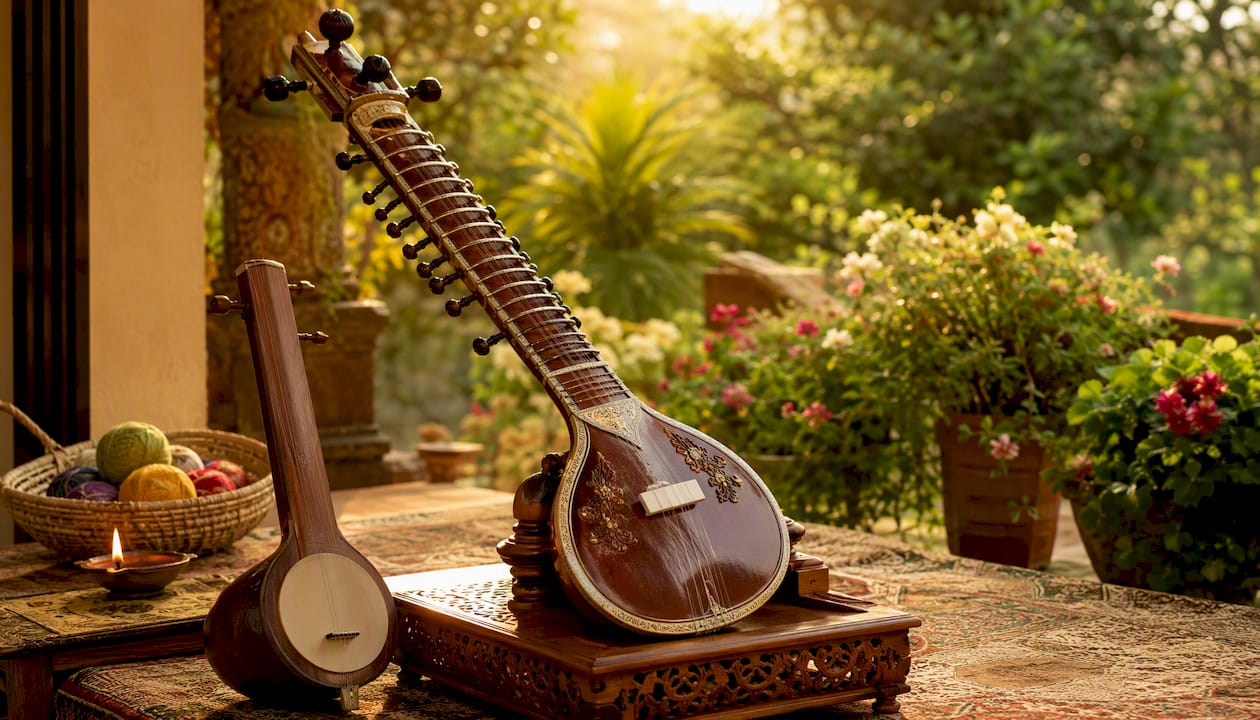
Instrument costs
| Instrument type | Typical INR range | Who it’s right for |
|---|---|---|
| Beginner sitar | ₹5,000–₹15,000 | First-time students testing commitment |
| Mid-range sitar | ₹15,000–₹20,000 | Serious learners past the 6-month mark |
| Professional sitar | ₹50,000–₹80,000 | Advanced students and performers |
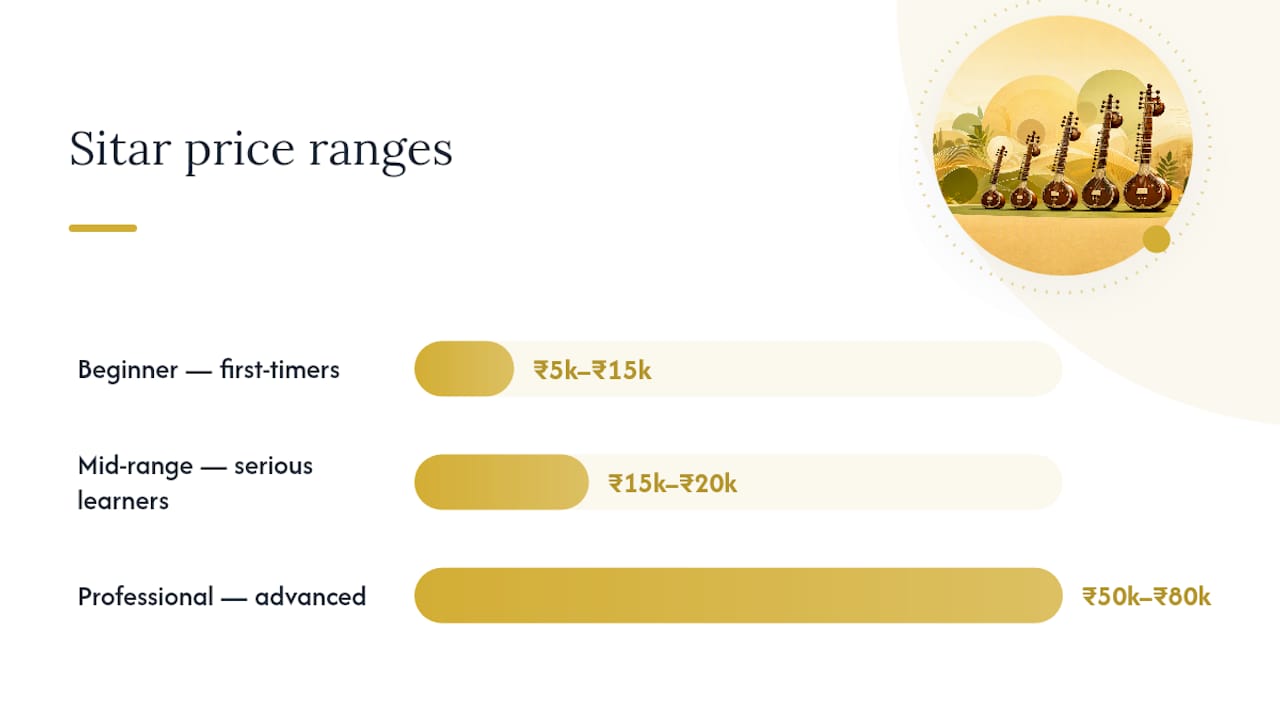
Quality differences are significant. A ₹5,000 sitar will hold you back once you start working on tone and intonation. Budget for an upgrade around the 6–12 month mark if you’re serious.
Accessories and ongoing costs
- Tanpura: A basic electronic tanpura device runs ₹2,000–₹5,000. Free apps (like iTablaPro) work for practice but aren’t ideal for lessons.
- Strings: Sitar strings need replacing every 2–4 months with regular practice. Budget ₹300–₹800 per restringing.
- Jawari (bridge adjustment): A skilled luthier adjusts the jawari to optimize your sitar’s tone. This costs ₹500–₹2,000 and may be needed every 6–12 months.
- Case: A padded gig bag runs ₹1,500–₹4,000. A hard case for travel is ₹5,000–₹15,000.
- Exam fees: Prayag Sangeet Samiti charges separate exam registration fees on top of course fees. Check the current fee schedule before enrolling.
- Occasional luthier work: General maintenance (nut adjustments, peg fitting) runs ₹500–₹2,000 per visit.
For online lessons, add a decent microphone and a stable camera to your setup. The Sitarrajib technical requirements guide is a practical reference for what gear actually matters.
How long does it take to learn sitar?
Expect 3–6 months to get comfortable with basic posture, tuning, and simple compositions. Intermediate competency, where you can play ragas with some fluency, takes 18–36 months of consistent practice. Mastery, the level where improvisation and performance are natural, takes many years.
The tradition itself runs deep. Tansen, the 16th-century Hindustani classical musician, is a foundational reference in most sitar curricula, and the depth of the repertoire reflects why this instrument rewards long-term commitment.
Typical syllabus progression
- Months 0–3: Posture, holding the instrument, basic tuning, right-hand strokes (da, ra), and simple exercises
- Months 3–6: Introduction to basic ragas (Yaman, Bhairav), bols, and simple compositions (gat)
- Months 6–18: Alap, jor, and jhala structure; developing tone; expanding raga vocabulary
- Months 18–36: Improvisation within ragas, taan development, and performance preparation
- Year 3+: Advanced compositions, concert-level performance, and personal style development
Practice hours matter more than lesson frequency
Two hours of focused daily practice will get you further than four lessons a week with minimal home practice. Most teachers recommend 30–60 minutes daily for beginners and 1–2 hours for intermediate students.
Exam-path timeline: If you’re following Prayag Sangeet Samiti’s certification route, each level typically takes 6–12 months to complete, depending on your starting point and practice consistency. The structured quarterly fee model makes it easy to plan your budget alongside your progress.
What Sitarrajib offers for private sitar lessons
Sitarrajib is the teaching and performance brand of Rajib Karmakar, a sitarist, composer, and educator with an active international career spanning concerts, studio recordings, and film and media music. Private lessons, workshops, and professional coaching are all part of what Sitarrajib offers.
What a Sitarrajib lesson includes:
- Flexible session lengths (45 or 60 minutes) tailored to your schedule and goals
- A personalized syllabus built around your current level, whether you’re a complete beginner or returning to the instrument
- Recorded session feedback so you can review what was covered
- Exam and performance preparation for students working toward formal milestones
- Access to Rajib’s performance clips and concert footage so you can see the teaching standard in action
Rajib’s background covers live performance, studio recording, and film scoring, which means lessons can extend beyond classical technique into contemporary and cinematic applications if that’s where your interests lie.
Pro Tip: Before your first lesson, watch at least two of Rajib’s performance videos. You’ll arrive with a clearer sense of the sound you’re working toward, which makes the first session more productive.
A teacher’s honest note on learning sitar
Learning sitar takes patience. You won’t sound good for a while, and that’s completely normal. The instrument has a steep early curve: the posture is unfamiliar, the tuning system is precise, and the right-hand technique takes weeks to feel natural. What separates students who stick with it from those who quit is usually one thing: consistent daily practice, even if it’s just 20 minutes.
Age is not a barrier. Adults who start in their 30s, 40s, or later can absolutely build real competency with the right teacher and a realistic timeline. Children often pick up physical habits faster, but adults bring focus and musical context that speeds up conceptual learning.
The format matters too. If you’re not sure whether online or in-person is right for you, book a trial lesson in both formats before deciding. One session is enough to know which feels more natural.
Ready to book a trial lesson with Sitarrajib?
Sitarrajib offers private sitar lessons for students at every level, from first-time beginners to advanced players preparing for performance. The trial lesson is the fastest way to find out whether the teaching style, pace, and format work for you.
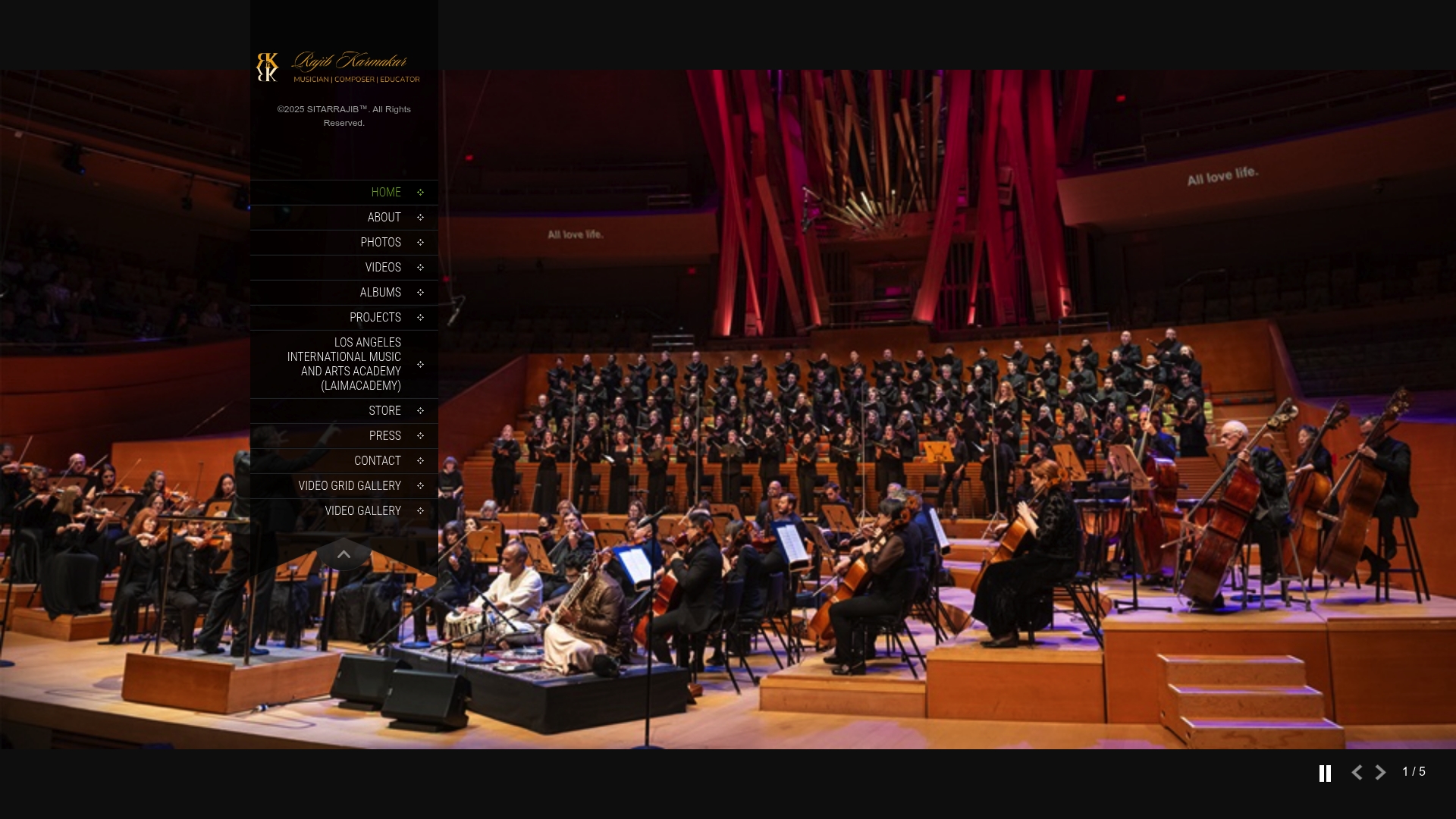
How to get started:
- Visit Sitarrajib and use the contact form to send your availability and current level
- Choose your preferred format: online or in-person
- Confirm your instrument setup (or ask about what you need before your first session)
- Agree on lesson length (45 or 60 minutes) and payment method
- Attend your trial lesson with no long-term commitment required
Payment is typically arranged in advance, monthly or quarterly. Cancellation and rescheduling policies are confirmed at booking. If you’re also thinking about where lessons could take you, the festival programming guide is a useful read for students with performance goals in mind.
Contact Sitarrajib directly through the website to confirm current availability and pricing.