
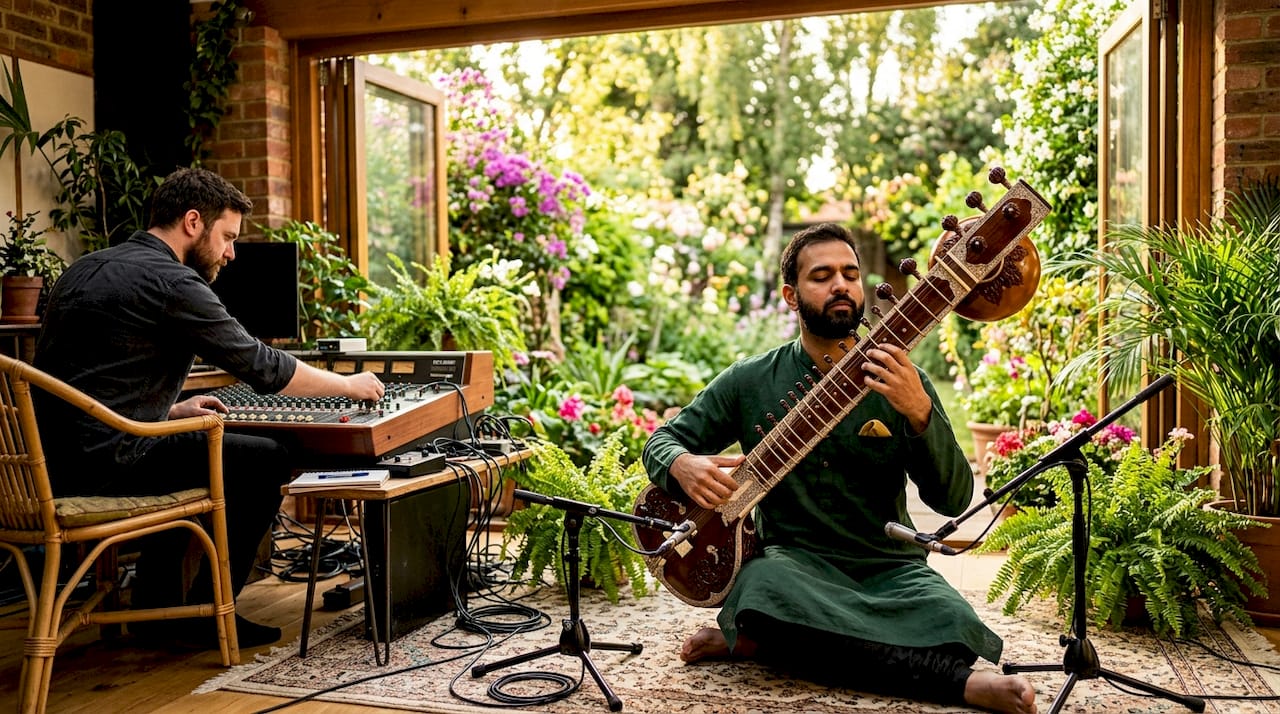
Live session sitar recording is defined as the practice of capturing a sitarist’s full performance in real time, alongside or in direct response to other musicians, rather than overdubbing isolated tracks. The benefits of live session sitar recording include authentic emotional expression, faster production timelines, and a natural sonic cohesion that layered digital techniques rarely match. For music producers, sound engineers, and artists working with Indian classical instruments, understanding these advantages changes how you approach every session. Sitarrajib, the artist brand of Los Angeles-based sitarist Rajib Karmakar, has built an entire recording philosophy around this approach.
1. Benefits of live session sitar recording: authenticity and emotional depth
Live recording captures what no overdub can reproduce. Microtiming and collective dynamics reflect the authentic feel of musicians playing together in real time. That shared pulse is the difference between a track that moves listeners and one that simply sounds correct.
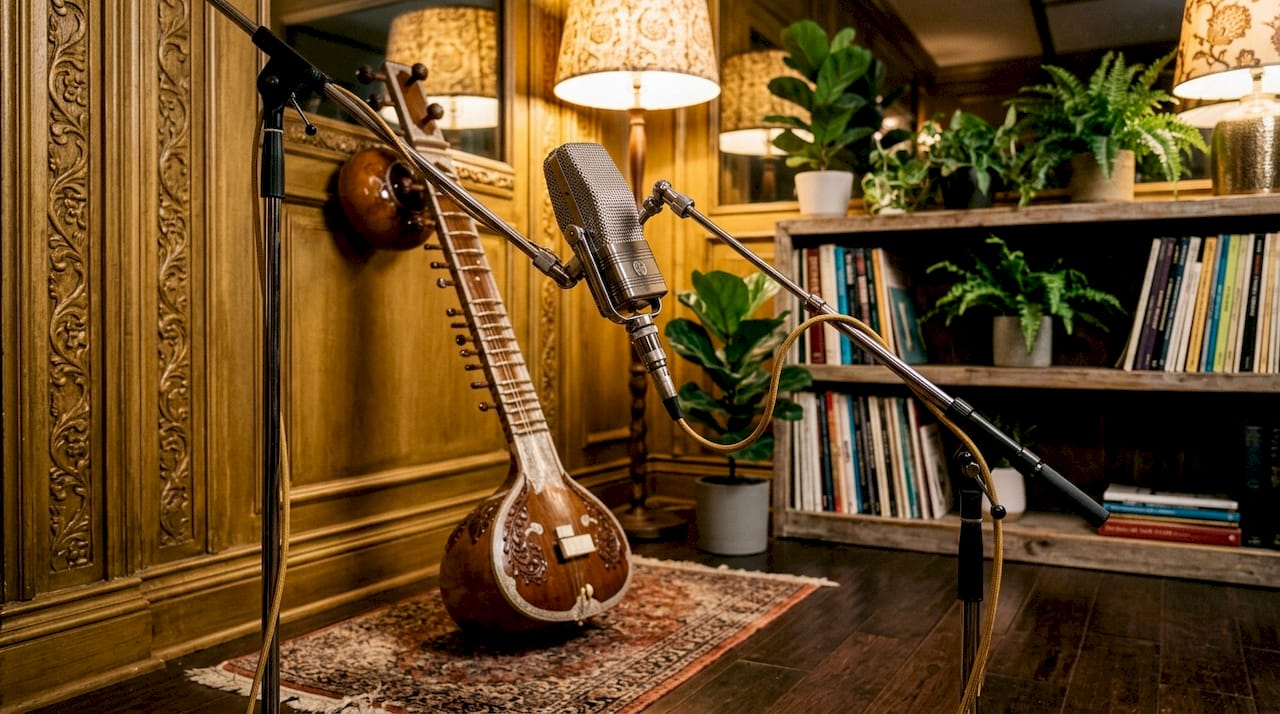
Sitarist Rishab Rikhiram Sharma has noted that the sitar’s specific resonance serves as an emotional release aiding mental well-being. When that resonance is captured live, the therapeutic quality of the instrument comes through fully in the recording. Overdubbed sessions often strip that quality away through repeated punch-ins and clinical isolation.
Live performance unpredictability introduces fresh musical moments and spontaneous improvisations that enrich recordings. A sitarist responding to a tabla player’s unexpected accent produces a phrase that could never be planned in advance. That moment becomes the most memorable part of the track.
“The magic of live recording lies not just in sound quality but in capturing the collaborative performance thread and real-time musical interaction.” — Tapetown Studio
Pro Tip: Keep the recording rolling between takes. Some of the best sitar phrases happen in the seconds after a take ends, when the sitarist is relaxed and playing freely.
2. Technical advantages: studio-quality sound and faster production
Live session recording cuts production time significantly. Bands can finish 90% of a finished record within 3 days during live sessions. For producers working with tight budgets or festival deadlines, that efficiency is a direct financial benefit.
Gain staging is the most critical technical decision in a live sitar session. Maintaining approximately 6 dB of headroom during live recordings protects the sitar’s natural dynamic range from clipping. The sitar’s attack transients are sharp and unpredictable, so conservative gain settings are not optional.
The following practices define a technically sound live sitar session:
- Set preamp gain conservatively, targeting peaks no higher than -12 dBFS on the loudest passages.
- Use a large-diaphragm condenser at 12–18 inches from the main resonator, angled slightly off-axis.
- Place a second microphone near the sympathetic strings to capture the instrument’s full harmonic texture.
- Check phase coherence between both microphones before tracking begins.
- Commit to a monitor mix before the first take and avoid adjusting levels mid-session.
Pro Tip: Vintage ribbon microphones or analog preamps add warmth to the sitar’s upper midrange without requiring heavy post-processing. A Royer R-121 or similar ribbon mic placed behind the sitarist captures room reflections that give the recording a natural sense of space.
| Technique | Purpose | Result |
|---|---|---|
| 6 dB headroom | Prevents clipping on transients | Clean, dynamic recording |
| Dual mic placement | Captures resonator and sympathetic strings | Full harmonic texture |
| Phase coherence check | Eliminates phase cancellation | Tight, focused low end |
| Analog preamp chain | Adds natural harmonic saturation | Warm, print-ready tone |
3. Collaboration and creative synergy in live sitar sessions
Live recording creates a feedback loop between musicians that multitrack sessions cannot replicate. Immediate reactions between a sitarist and a percussionist shape tempo, dynamics, and phrasing in real time. That interaction produces musical decisions that no amount of editing can recreate after the fact.
Managed microphone bleed acts as a glue providing an organic, cohesive sound that isolated tracks cannot achieve. When the tabla bleeds slightly into the sitar microphone, the two instruments sound like they share the same acoustic space. That shared space is what makes a recording feel live rather than assembled.
The advantages of live sitar recording for collaborative sessions include:
- Real-time tempo adjustments between sitarist and rhythm section create natural groove variations.
- Eye contact and physical cues between performers produce dynamic shifts that feel musical rather than mechanical.
- Room acoustics blend the instruments naturally, reducing the need for artificial reverb in mixing.
- Collective energy builds across takes, often producing the best performance on the third or fourth attempt.
- Engineers can make mix decisions during tracking rather than deferring everything to post-production.
Live-to-tape recording forces deliberate artistic decisions during tracking, leading to better engagement and faster mixing. When everyone in the room knows there is no safety net, focus sharpens. The resulting performances carry a conviction that listeners recognize, even if they cannot name it.
4. Challenges and solutions in live sitar session environments
Open-air and live environments introduce acoustic challenges specific to the sitar. The instrument’s long sustain and meend (string bends) require a quiet acoustic environment to be heard clearly. Ambient noise, air conditioning, and room reflections all compete with the sitar’s softer passages.
Open-air live sitar recordings pose challenges like ambient noise and lack of acoustic feedback, often requiring tailored monitor mixes and soundcheck protocols. A sitarist who cannot hear their own sympathetic strings clearly will compensate by playing louder, which changes the character of the performance. Getting the monitor mix right before tracking begins is not a luxury. It is a requirement.
Key solutions for live sitar recording challenges:
- Build a personalized in-ear monitor mix for the sitarist that emphasizes sympathetic string resonance and the room’s natural reverb.
- Schedule a full soundcheck with the complete ensemble before any recording begins.
- Bring a trusted second engineer or experienced listener to evaluate the monitor mix from the sitarist’s position.
- Use acoustic baffles to reduce bleed from louder instruments without fully isolating the sitarist.
- Record a short reference take and play it back immediately to confirm that the sitar’s nuances are captured accurately.
Pro Tip: Ask the sitarist to play a slow alap passage during soundcheck. That passage will reveal any monitoring issues with sustain and sympathetic resonance before the session begins.
5. Authenticity as a production value in live sitar recordings
Authenticity in live recording is prized as a new luxury, highlighting natural performance imperfections that digital editing masks. Producers working in jazz, world music, and cinematic scoring increasingly request live sitar sessions specifically because the imperfections signal human effort. That signal builds listener trust.
Digital production tools make it easy to quantize, pitch-correct, and layer sitar parts indefinitely. The result is often a technically perfect track that feels emotionally flat. Live recording preserves the slight variations in timing and intonation that make a sitar performance sound like a person rather than a program.
Mixing and mastering from well-executed live sitar sessions is faster and more enjoyable due to fewer technical fixes needed. When the performance is captured correctly at the source, the mix engineer spends time shaping sound rather than correcting problems. That shift in workflow produces better results and costs less.
6. When to choose live session sitar recording versus layered methods
Live session recording is the right choice when authenticity, chemistry, and efficiency are the primary goals. Layered production is better suited to projects requiring heavy processing, pitch correction, or complete sonic isolation. Knowing which approach fits your project saves time and money before the session begins.
| Factor | Live session | Layered production |
|---|---|---|
| Emotional authenticity | High. Captures real-time interaction. | Lower. Assembled after the fact. |
| Production speed | Fast. 90% done in 3 days. | Slower. Multiple overdub passes. |
| Mixing complexity | Lower. Fewer tracks to manage. | Higher. More editing required. |
| Creative flexibility | Limited after tracking. | High. Easy to replace parts. |
| Best suited for | Jazz, world music, film scoring, improvisation. | Pop, electronic, heavily produced genres. |
Live sessions work best when the sitarist and rhythm section have rehearsed together. Chemistry between performers is the single biggest variable in a live session outcome. A sitarist who has never played with the drummer will produce a technically acceptable but emotionally thin recording.
Budget and timeline also favor the live approach. Finishing a project in three days of focused tracking costs less than two weeks of overdub sessions. For independent artists and producers working without label budgets, that difference is significant.
Key takeaways
Live session sitar recording delivers authentic emotional depth, faster production timelines, and natural sonic cohesion that layered digital methods cannot replicate.
| Point | Details |
|---|---|
| Authenticity is the core benefit | Live recording captures microtiming and real-time interaction that overdubs cannot reproduce. |
| Gain staging protects the sitar | Maintain 6 dB of headroom to preserve the instrument’s full dynamic range without clipping. |
| Bleed creates cohesion | Managed microphone bleed acts as glue, blending instruments naturally in the mix. |
| Production speed is a real advantage | Live sessions can complete 90% of a record in approximately 3 days. |
| Monitor mix quality is non-negotiable | A personalized monitor mix for the sitarist is required to capture sympathetic resonance accurately. |
Why live recording changed how I think about the sitar
I have tracked sitar parts both ways. Layered sessions give you control, but they also give you a false sense of security. You keep thinking you can fix it later, and later never quite arrives. The performance loses its edge across ten overdub passes.
Live sessions force a different kind of honesty. When the ensemble is playing together and the tape is rolling, every decision matters. The sitarist commits to a phrase. The tabla player responds. That exchange produces something neither musician planned, and it happens in real time. You cannot manufacture that in editing.
The hardest part is trusting the room. Engineers trained on digital workflows want to isolate everything and fix problems in post. Live sitar recording asks you to accept a little bleed, a little room noise, and a performance that is slightly imperfect. In my experience, that imperfection is exactly what listeners connect with. The live concert recordings I am most proud of are the ones where something unexpected happened and we kept the tape rolling.
If you are a producer or engineer new to live sitar sessions, start with a simple setup. Two microphones, a quiet room, and a sitarist who knows the material. Get the monitor mix right, commit to the take, and trust what you hear. The results will surprise you.
— Rajib
Sitarrajib’s live sitar recording work and projects
Rajib Karmakar brings over two decades of live performance and studio recording experience to every project. His work spans Indian classical music, cinematic scoring, world music collaborations, and concert performances across the United States and internationally.
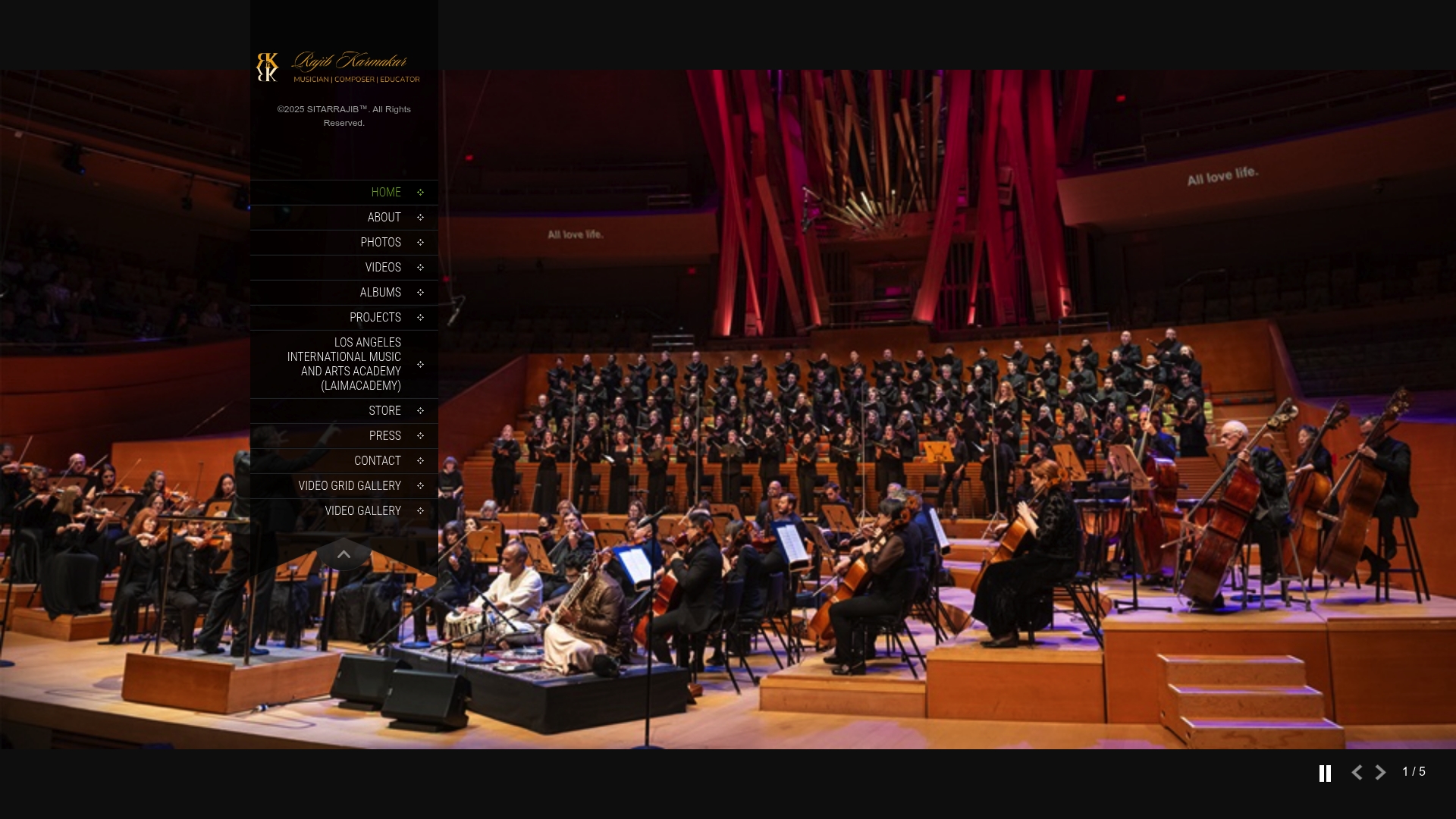
You can hear the results of his live session approach across his recorded albums and audio projects, where the sitar’s full resonance and emotional range come through clearly. Rajib is available for studio recording collaborations, concert performances, and educational workshops for producers and artists who want to work with live sitar in their projects. Reach out through sitarrajib.com to discuss your next session.
FAQ
What are the main benefits of live session sitar recording?
Live session sitar recording captures authentic microtiming, real-time musical interaction, and the sitar’s full natural resonance. These qualities produce recordings with greater emotional depth and faster post-production timelines compared to layered overdub methods.
How does mic placement affect live sitar recording quality?
Placing a large-diaphragm condenser 12–18 inches from the main resonator and a second microphone near the sympathetic strings captures the instrument’s full harmonic texture. Checking phase coherence between both microphones before tracking prevents cancellation and keeps the low end tight.
Why does live sitar recording save production time?
Live sessions allow musicians to complete approximately 90% of a finished record in about 3 days. Fewer overdub passes and fewer editing decisions in post-production mean the mix engineer spends time shaping sound rather than correcting problems.
When is layered sitar recording a better choice than live recording?
Layered production is better suited to projects requiring heavy pitch processing, complete sonic isolation, or frequent part replacements. Live session recording is the stronger choice for jazz, world music, film scoring, and any project where emotional authenticity and performer chemistry are the primary goals.
How do you manage bleed in a live sitar session?
Managed bleed, controlled through careful microphone placement and phase coherence techniques, acts as a natural glue between instruments. Rather than eliminating bleed entirely, experienced engineers use it to create an organic, cohesive sound that isolated tracks cannot replicate.