
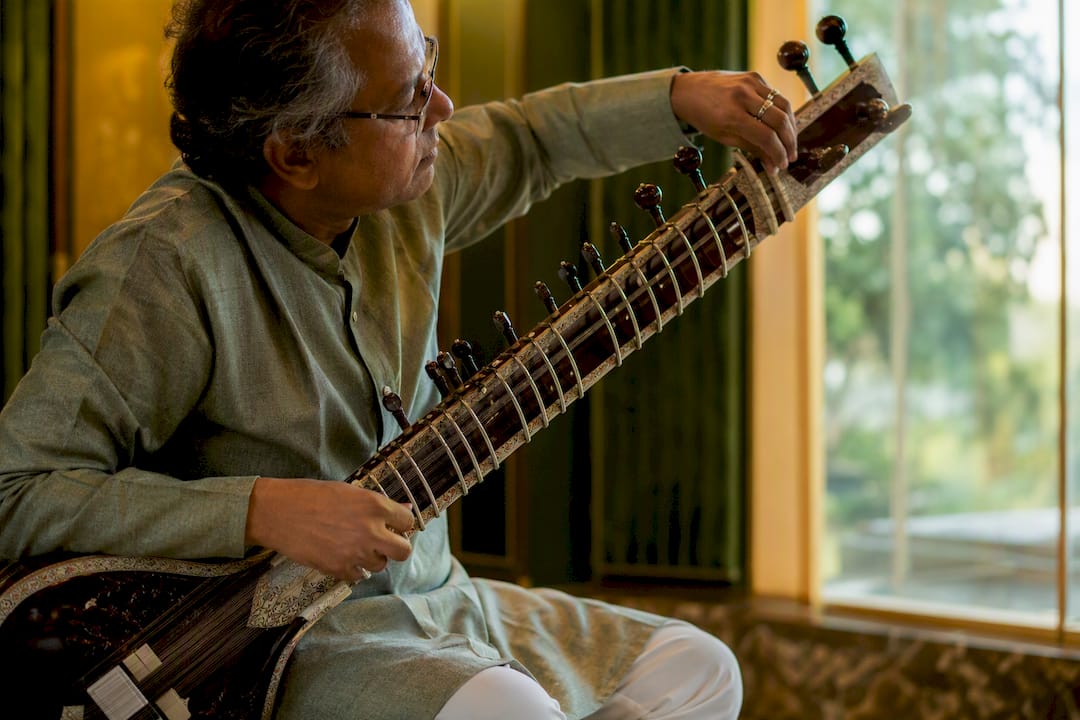
Yes, you can hire live sitar music for corporate events, and it works better than most planners expect. Choose solo sitar for refined background ambiance, or a sitar-led ensemble for a featured cultural moment during a launch or inauguration. Either way, the booking process is straightforward once you know what to ask for.
Your next move is simple:
- Confirm your date, event format (background or featured), and a rough budget range.
- Name one single day-of production contact before you contact any musician.
- Request a technical rider and a draft contract up front, not after you’ve verbally agreed to book.
Rajib Karmakar, performing as Sitarrajib, books corporate events on exactly this basis: clear format, clear paperwork, clear point of contact.
Key Takeaways
Booking live sitar for a corporate event succeeds when the format matches the program moment, the paperwork is signed early, and one person owns the day-of logistics.
| Point | Details |
|---|---|
| Match format to moment | Use background sitar for networking and dinners, featured segments for launches and inaugurations. |
| Book 6 to 10 months out | Peak corporate dates fill fast; shorter windows risk losing your preferred musician. |
| Lock deposit and contract terms | Expect 25% to 50% deposits and written terms covering rider, cancellation, and overtime. |
| Assign one production contact | A single day-of point of contact prevents the most common booking-day confusion. |
| Consider Sitarrajib for booking | Rajib Karmakar’s Sitarrajib provides solo or ensemble sitar with a rider, contract, and production meeting built in. |
Table of Contents
- Which Format Fits Your Corporate Event Music Plan?
- When Should You Book Corporate Event Music?
- What Do You Need for Sitar Setup at a Venue?
- What Should Your Briefing to the Musician Include?
- Why Hiring a Professional Sitarist Reduces Day-Of Risk
- What Planners Get Wrong About Booking Sitar Music
- Book Sitarrajib for Your Corporate Event
- Sources
Which Format Fits Your Corporate Event Music Plan?
Sitar isn’t a single act. It’s a range of formats, and matching the right one to the right moment on your program is the difference between “nice touch” and “why did we book this?”
- Solo sitar background. One musician, acoustic or lightly amplified, seated near the entrance or bar area. Works for arrivals, networking hours, and quiet dinner segments where conversation needs to stay easy.
- Small ensemble (sitar plus tabla or flute). Adds rhythmic texture and a fuller sound. Suited to longer receptions or dinners where you want the music to hold attention without dominating it.
- Roaming or semi-mobile setup. A trimmed-down acoustic configuration that can shift locations during a cocktail hour, following the crowd rather than anchoring one corner of the room.
- Featured segment. A dedicated 15 to 25-minute performance slot, fully amplified, positioned as a program highlight, typically for launches, inaugurations, or cultural brand activations.
Background sitar suits dinners and networking; a featured segment adds gravitas to a product reveal or ribbon-cutting moment, and blending classical ragas with contemporary or cinematic arrangements tends to broaden the audience’s engagement beyond guests who already know the genre. That’s a real advantage over booking a strictly traditional set for a mixed corporate crowd.
Sizing matters too. A solo sitarist needs roughly a 6 by 6 foot footprint and can often run acoustic in a quiet room under 100 guests. Once you’re amplifying for 150 or more people, or working in a space with hard surfaces and high ceilings, plan on a small PA and at least one monitor. The same venue capacity and acoustic logic that governs live band bookings applies directly to sitar ensembles, just at a smaller scale.
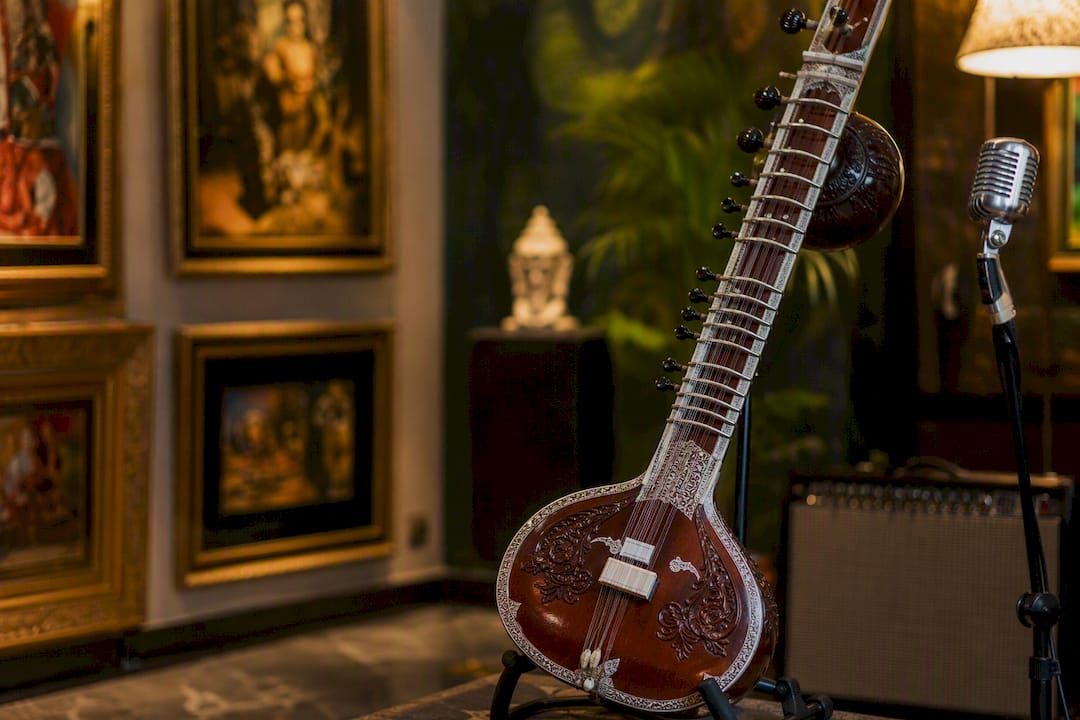
Pro Tip: If your event has both a networking hour and a formal program, book one act for both rather than two separate performers. A sitarist who can shift from ambient background to a featured 20 minute set cuts your vendor count and your coordination headaches in half.
When Should You Book Corporate Event Music?
Lead time is the single most underrated variable in this entire process. Musicians who work well don’t sit around waiting for late calls, especially around peak corporate seasons like autumn conference cycles and year end galas.
- Book 6 to 10 months ahead for peak dates. Shorter windows are possible for off-peak weekdays, but you’re gambling on availability.
- Deposits typically run 25% to 50% of the total fee at signing, with the balance due closer to the event.
- Your contract should spell out performance duration, technical rider, cancellation terms, and overtime rates before you sign anything.
These norms hold across artist booking practices in India, and they exist for a reason: a vague verbal agreement is the fastest route to a day-of dispute over how long the set was supposed to run.
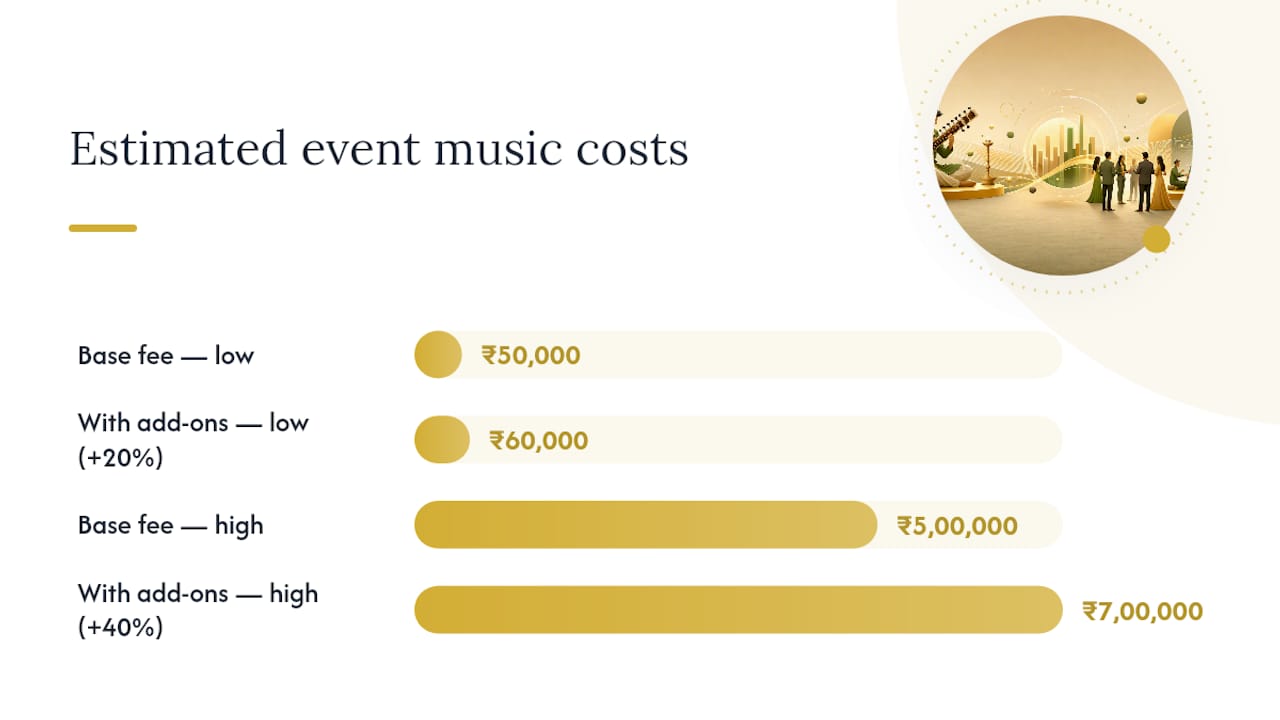
On pricing, expect real variance by city, season, and format. A solo sitar background set costs meaningfully less than a featured ensemble segment with amplification and staging. Live performance fees in India for bands and ensembles commonly range from ₹50,000 to ₹5,00,000 or more depending on group size and market, and that same guide notes production costs, sound, lighting, and load-in, can add 20% to 40% on top of the base fee. Budget for that add-on before you finalize a number, not after your AV vendor sends an invoice you didn’t see coming.
What Do You Need for Sitar Setup at a Venue?
Amplified sitar is not the same animal as a wedding band’s stage plot, and treating it that way is where a lot of technical requests go sideways. The instrument’s tone lives in subtle resonance and sustained notes, so the rider needs to reflect that.
Standard checklist items:
- Stage or performance area, minimum footprint for solo, larger for ensemble with tabla or backline
- Power access near the performance zone, and a clean, grounded circuit
- A DI box or line-level connection for the sitar’s pickup, ideally paired with a condenser mic for acoustic nuance. This combination gives AV teams better clarity on quieter passages than a single mic alone.
- Monitor wedge if the set is amplified and the performer needs to hear themselves clearly
- Tabla or additional backline specs if the booking includes an ensemble, not solo sitar
For scheduling, work backward from doors-open:
- Confirm load-in window, ideally 90 minutes before soundcheck, with clear parking or goods-lift access noted in advance.
- Schedule soundcheck at least 30 to 45 minutes before guest arrival.
- Lock the hard-out time and overtime rate in writing, since venues that run long cost more than the ones that finish on schedule.
Professional acts should also be able to supply their own rider document and relevant equipment documentation, and most reputable venues will ask for proof of public liability insurance before allowing load-in. Ask for it early rather than the week of the event. One more item planners routinely forget: decide who supplies recorded background music during the performer’s breaks, and confirm it’s covered, either by the musician’s playlist or your own house system, so there’s no dead air.
What Should Your Briefing to the Musician Include?
A good briefing document does the work that a rushed phone call never can. Send this before the production meeting, not during it.
- Guest profile. Age range, corporate seniority, and whether the audience is domestic, international, or mixed.
- Event purpose and tone. Product launch energy is different from a quiet donor dinner, and the repertoire should reflect that difference.
- Venue specs. Room dimensions, power access, and any acoustic quirks like glass walls or high ceilings.
- Brand or theme notes. Colors, cultural references, or a specific mood the event is built around.
- Volume and timing parameters. When the music should be near-silent, when it can build, and when it should stop entirely for a speaker.
- Run-of-show with exact cue points. Named moments, not vague windows, for when the set starts, pauses, and features.
Designate one single day-of contact and schedule a production meeting roughly two weeks out. Skipping the production meeting is where most day-of confusion starts, particularly around who is managing MC cues and covering breaks with recorded music instead of live sound.
Pro Tip: Share your must-play and do-not-play notes at least two weeks ahead. Experienced performers can adapt or learn new material with that runway, but they can’t do it the morning of your event.
Why Hiring a Professional Sitarist Reduces Day-Of Risk
Rajib Karmakar is an internationally recognized sitarist, composer, and educator, and his brand, Sitarrajib, focuses specifically on live sitar performances, ensembles, workshops, and corporate event programming. That specialization matters more than it sounds like it should.
A musician who has already built riders, sat through production meetings, and adapted multilingual repertoire for mixed audiences brings a different level of predictability than someone booked casually through a general referral.
- Riders arrive complete, not assembled the week before your event.
- Production meetings happen because the artist expects them, not because you had to insist.
- Repertoire choices account for tone and audience, not just a generic playlist.
For technical specs and repertoire examples ahead of a booking conversation, review the sitar performance benefits page before your first call with any vendor.
What Planners Get Wrong About Booking Sitar Music
Most guides on this topic treat sitar like a decorative flourish, something you bolt onto an event for cultural flavor without thinking hard about placement. That’s backward. The format decision, background versus featured, matters more than almost anything else in the booking process, and it’s the piece planners skip most often.
The conventional advice tells you to focus on price first. I’d argue budget is the third conversation, not the first. The first is tone: what do you actually want the room to feel like at 7:15 p.m. when your CEO starts speaking? The second is logistics: does your venue have the power and space for amplification, and who owns the production meeting?
What’s underrated here is the single point of contact requirement. It sounds like paperwork. It’s actually the one variable that prevents almost every day-of scramble I’ve seen described in event planning guides. A rider with no home, and no one person accountable for confirming it got read, is how a beautifully booked performance turns into forty-five minutes of confusion at the load-in door.
Prioritize the production meeting before you prioritize the deal.
— Rajib
Book Sitarrajib for Your Corporate Event
Sitarrajib offers what most corporate bookings actually need: a solo sitarist or small ensemble, a pre-event production meeting built into the process, and a written rider and contract from the first conversation, not after you’ve chased for one, ideal for those seeking corporate events with a heritage-focused experience.
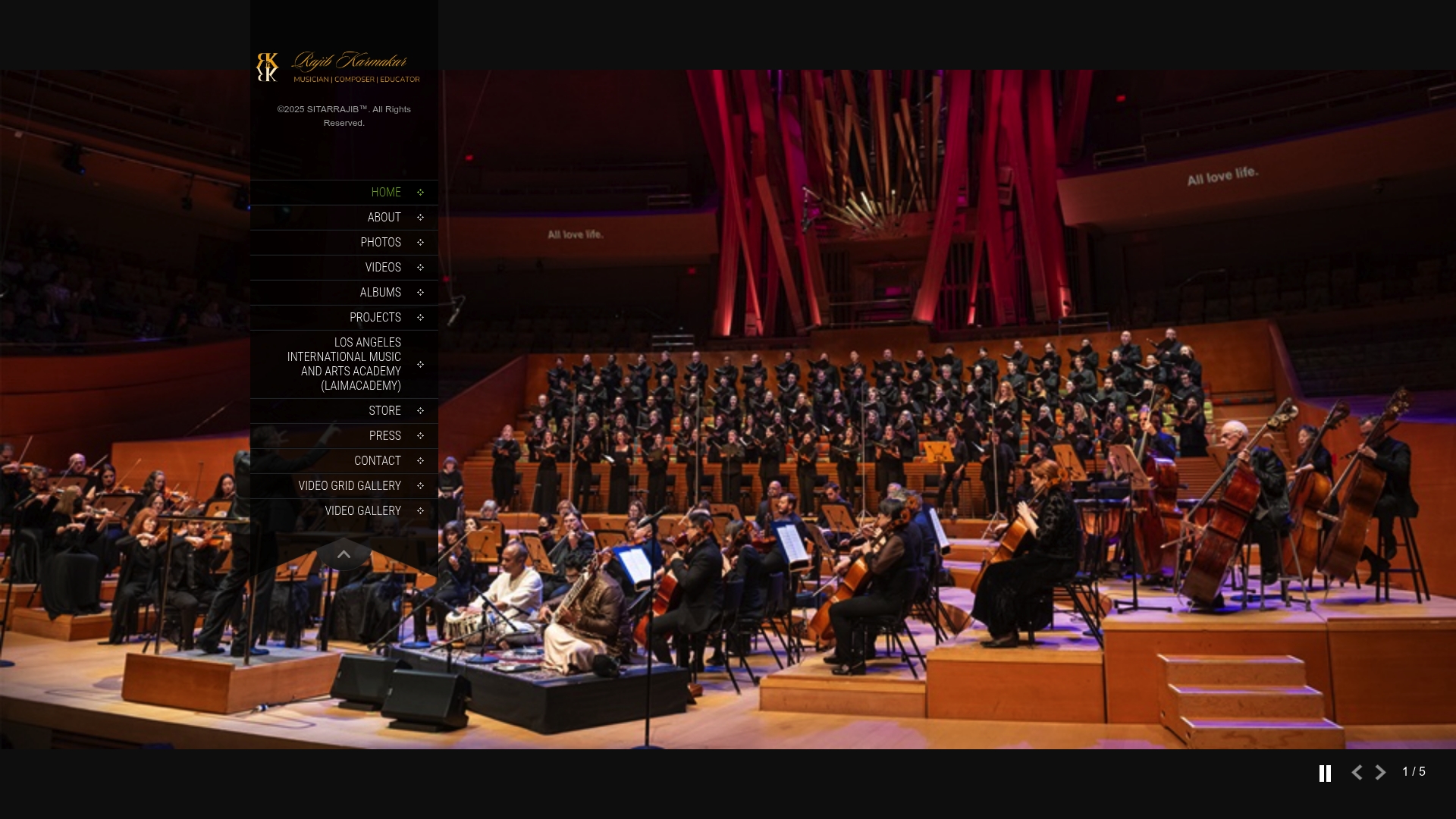
When you reach out, include your date, venue, expected run-of-show, preferred format (background, roaming, or featured), and a budget range. That’s enough for a real conversation instead of a back-and-forth guessing game. If your event includes a formal program moment, launch, inauguration, or brand activation, review the sitar performance logistics guide for event planners first, then check the technical requirements guide so your AV team has what it needs before the production meeting even happens. Send your date and format details today to get a quote and confirm availability.
Sources
- Artist categories and prices in India — VenueLook
- Event planning checklist — EventBazaar
- Ultimate guide to event planning in India — EventZoneEMG
- Complete guide to artist booking in India — BMT Agency