
Cultural acts diversify event lineups by opening your event to new audience segments, deepening engagement for everyone in the room, and building the kind of community trust that keeps people coming back. Here is the short version of why this matters for your planning decisions:
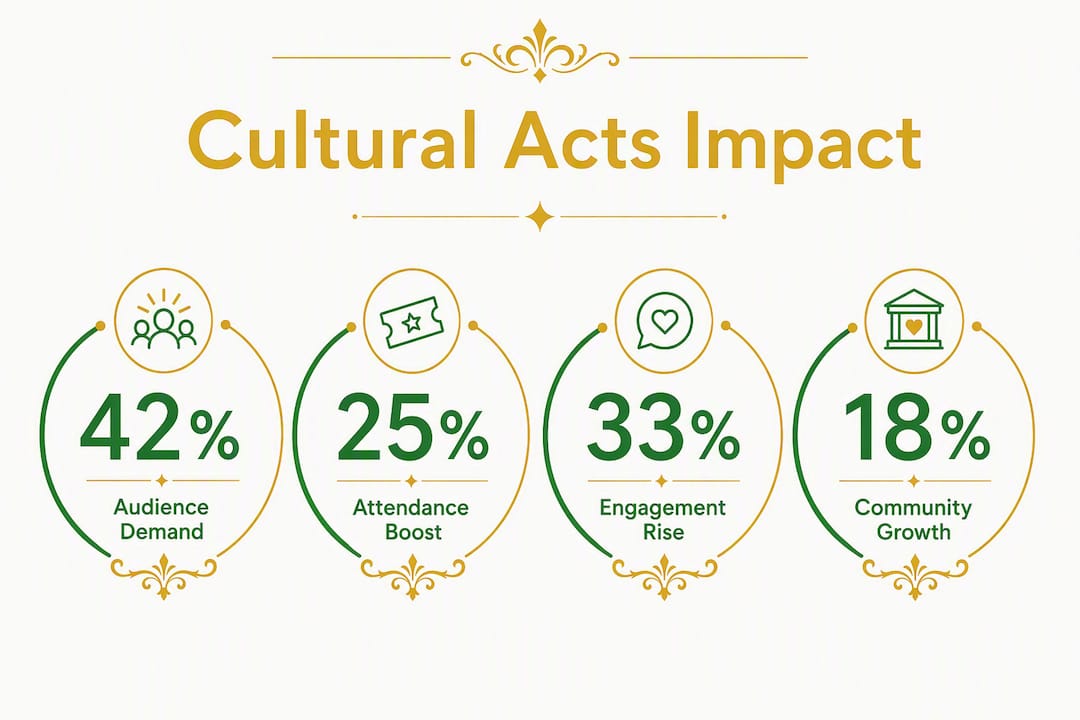
- Wider reach: Over 70% of event professionals report increased engagement after introducing culturally diverse programming, and 42% of attendees say they want more culturally diverse events.
- Deeper experience: Cultural performances, from live music to storytelling to culinary demonstrations, give audiences something to talk about, share, and remember.
- Community and economic benefits: Events that center cultural programming strengthen local identity, attract new sponsors, and drive ancillary revenue like food and beverage spend.
42% of attendees say they want more culturally diverse events — and over 70% of event professionals who have acted on that demand report measurably higher engagement as a result.
Table of Contents
- Why cultural acts diversify event lineups: the evidence behind the results
- What types of cultural acts work, and where do they fit?
- How do you find, book, and work with cultural artists ethically?
- What do you need to handle technically, legally, and logistically?
- How do you measure whether cultural programming actually worked?
- Your planning checklist and timeline for adding a cultural act
- How a sitar performance enriched a U.S. event: a real example
- Key Takeaways
- Why this matters more than most planners realize
- Sitarrajib brings Indian classical music to your event
- Useful sources
Why cultural acts diversify event lineups: the evidence behind the results
The business case for cultural programming is not theoretical. Industry voices at VenuesNow and Pollstar have put it plainly: “culture is currency.” Programming that touches multiple communities drives ticket revenue and food and beverage per-cap in ways that single-genre lineups rarely do. Gen Z, now a dominant ticket-buying demographic, treats diversity as a baseline expectation, not a bonus.
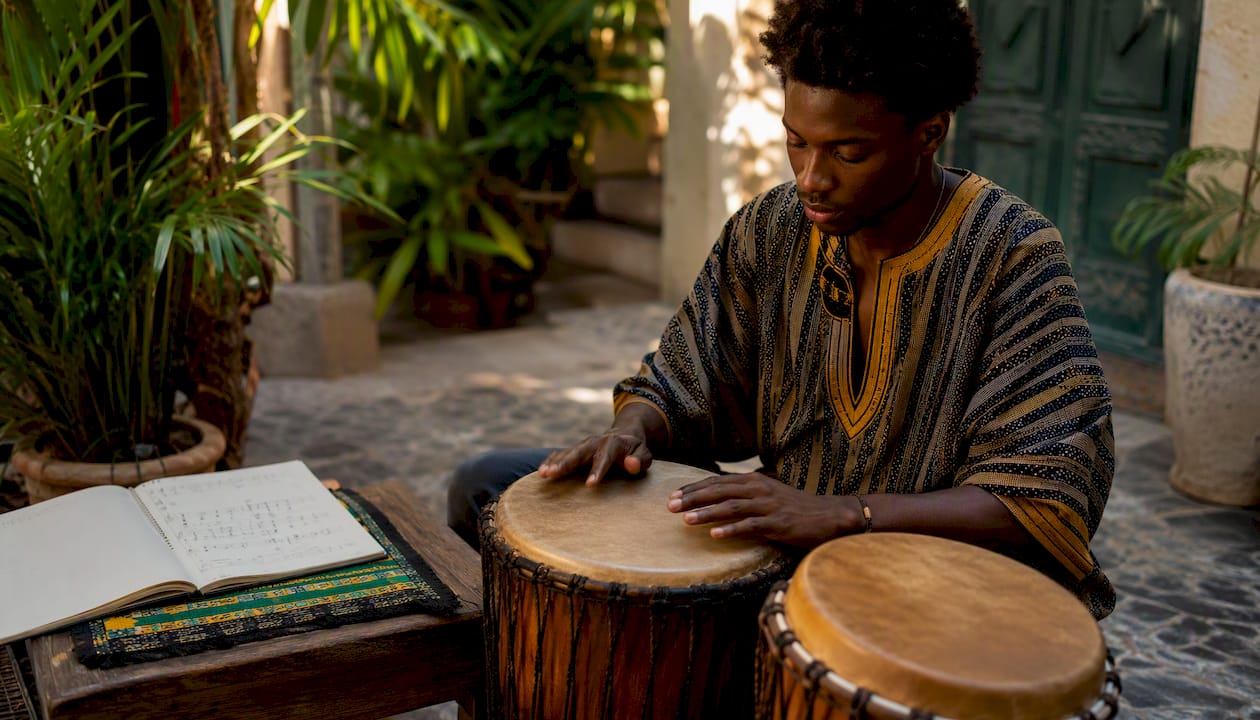
The attendance upside is real. When you add a cultural pillar, say a West African drumming ensemble or a classical Indian sitar performance, you are not just adding variety. You are giving a specific community a reason to show up that they did not have before. Those new attendees bring their networks, spend at your vendors, and often become your most loyal repeat visitors.
Engagement metrics follow the same pattern. Research on how diversity affects group cognition shows that exposure to different perspectives triggers more careful thinking and higher-quality responses. For audiences, that translates to longer dwell times, more social sharing, and stronger post-event recall.
The community impact goes beyond a single event. Academic research links increased local cultural consumption to reductions in social division and improvements in community cohesion. Large-scale cultural events also increase civic pride and draw in groups that historically under-participate in public life. For planners, that means cultural programming is one of the few lineup decisions that pays dividends in both ticket sales and long-term reputation. You can also check event entertainment trends for 2026 to see how audience expectations are shifting in real time.
What types of cultural acts work, and where do they fit?
Cultural acts span a wide range of formats. The table below maps common act types to programming roles and event formats so you can quickly assess fit.
| Act Type | Programming Role | Best Event Formats | Logistic Intensity |
|---|---|---|---|
| Live world music (sitar, kora, taiko) | Headline or featured set | Festival mainstage, concert, corporate reception | Medium |
| Traditional dance (Bharatanatyam, flamenco, hula) | Featured or supporting | Festival stage, gala, community night | Medium-High |
| Storytelling and spoken word | Activation or workshop | Community festival, conference, daytime programming | Low |
| Culinary demonstration | Daytime activation | Food festival, cultural fair, corporate event | Medium |
| Visual arts and live painting | Ambient activation | Gallery night, festival grounds, lobby programming | Low |
| Cultural workshops (drumming, weaving, calligraphy) | Participatory session | Community festival, school event, corporate team-building | Low-Medium |
| Ceremonial or ritual performance | Headline or opening | Cultural festival, civic event, formal ceremony | High |
A few things worth noting here. Workshops and storytelling have the lowest logistic burden and often produce the highest audience participation rates. Ceremonial performances require the most careful coordination with the artists themselves, including cultural protocols that go well beyond a standard technical rider. Live world music sits in the middle: manageable to produce, high on audience impact, and flexible enough to work as background, featured, or headline programming depending on set length and staging.
For a deeper look at how cultural music experiences are defined and what they deliver for audiences, that resource breaks it down clearly.
How do you find, book, and work with cultural artists ethically?
Finding the right cultural act starts with looking in the right places. Mainstream booking agencies rarely represent the full range of cultural artists you want. The better pipeline runs through independent showcases, community organizations, cultural institutes (such as consulates and cultural centers), social platforms like Instagram and YouTube, and indie labels focused on world or regional music.

Once you have identified candidates, the outreach approach matters as much as the ask. Going through community curators, rather than cold-contacting artists directly, signals respect and tends to produce better responses.
Step-by-step outreach checklist:
- Identify two or three community organizations or cultural institutes connected to the tradition you want to program.
- Ask for introductions or recommendations rather than going straight to an artist’s booking email.
- Research the artist’s work before first contact. Know their recent projects and the context of their tradition.
- Send a brief, respectful inquiry that describes your event, your audience, and why you want this specific artist.
- Be upfront about your budget range in the first message. It saves time for both sides.
- Discuss cultural protocols, set requirements, and any ceremonial considerations before negotiating fees.
- Confirm all agreed terms in a written contract before announcing the booking.
Contract checklist (must-haves):
- Artist fee and payment schedule
- Travel, accommodation, and per diem terms
- Technical rider reference (sound, staging, backline)
- Cultural protocol notes (timing, sacred elements, attire requirements)
- Cancellation and force majeure clauses
- Right to use performance footage and images
Pro Tip: Pay cultural artists at the same rate as comparable mainstream acts. Under-paying for cultural programming is one of the fastest ways to damage your event’s reputation in the communities you are trying to reach, and word travels quickly.
Curation without tokenism means pairing headliners with tradition bearers and emerging artists to form a living lineage. Avoid isolating cultural acts on a single side stage. Integrate them across your main schedule so the programming signals that cultural performance is central to your event, not an afterthought. Hire curators from the communities you are showcasing. Their knowledge of the tradition, the artists, and the audience is something no outside booker can replicate.
For practical guidance on widening your artist pipeline beyond mainstream agents, that resource covers scouting strategies in detail.
What do you need to handle technically, legally, and logistically?
Production for cultural acts often differs from standard pop or rock setups. Here is what to plan for.
Technical riders for world music and traditional performance frequently include specific microphone placements (instruments like the sitar require close-mic’ing with condenser mics, not dynamic mics), custom monitor mixes, and sometimes specific stage dressings or floor coverings. Request the full technical rider at least 60 days out and walk through it with your production manager before confirming the booking.
Permits and visas become relevant when you book international artists. O-1 and P-1 visas for performing artists can take 3–6 months to process. Build that lead time into your planning calendar. For community-based artists working locally, standard performer contracts and event permits usually apply, but confirm with your venue’s legal contact.
Cultural protocols are not optional production notes. Some performances involve ceremonial timing, sacred objects, or specific pre-show rituals that cannot be adjusted to fit a running order. Document every protocol in your booking notes and share them with your production team before the event.
Accessibility is a practical requirement, not a nice-to-have. For participatory cultural acts, make sure the performance space accommodates wheelchair users and that seating arrangements do not create a hierarchy between “accessible” and “general” viewing. For performances with spoken or sung content in languages other than English, consider printed program notes or projected translations. ASL interpretation and audio description services should be arranged at least 30 days in advance.
Safety and crowd management for participatory acts, like drumming circles or dance workshops, require a clear floor plan with enough space for movement and a designated facilitator who can manage crowd flow. Brief your security team on what to expect so they do not inadvertently shut down participation that is part of the performance.
Pro Tip: Ask the artist directly: “Is there anything about this performance that our production team needs to know before the day?” That single question surfaces cultural protocols, technical needs, and logistical preferences that a standard rider form will miss.
How do you measure whether cultural programming actually worked?
Measurement starts before the event. Set your baseline metrics at the planning stage so you have something to compare against.
| KPI | Measurement Method | When to Measure | Target / Benchmark |
|---|---|---|---|
| Attendance lift | Ticket sales vs. prior comparable event | Post-event | Positive variance vs. baseline |
| New-ticket buyer share | CRM / ticketing platform new-buyer flag | Post-event | Track % of first-time buyers |
| F&B per-cap | POS data divided by attendance | During / post-event | Compare to non-cultural event average |
| Repeat-booking intent | Post-event survey | Within 48 hours post-event | 60%+ “likely to return” |
| Social mentions | Hashtag tracking, platform analytics | During and post-event | Volume and sentiment vs. baseline |
| Community partner engagement | Partner check-ins, co-promotion reach | Pre and post-event | Number of active partners |
Survey questions that capture qualitative impact:
- “Did any of tonight’s performances introduce you to a cultural tradition you had not experienced before?”
- “How likely are you to recommend this event to someone from your community?”
- “Which performance was most memorable, and why?”
Social engagement metrics to track include hashtag volume, story shares, and the ratio of organic to paid reach. A cultural act that generates significant organic sharing is telling you something about audience resonance that attendance numbers alone will not.
Downstream revenue attribution is harder but worth attempting. Track whether attendees who first came for a cultural programming night return for non-cultural events. A simple CRM tag on first-purchase event type lets you run that analysis 6–12 months later. Events that are community-centered and participatory tend to produce stronger social networks and repeat visitation, which shows up in long-term ticket data.
Your planning checklist and timeline for adding a cultural act
Use this as your working document. Assign an owner to each task and set a hard deadline.
90–180 day timeline:
- Day 180: Define programming goals. What community do you want to reach? What cultural tradition fits your event’s identity?
- Day 150: Start scouting. Contact cultural institutes, community organizations, and independent showcases.
- Day 120: Shortlist three to five artists or acts. Request press kits, technical riders, and fee ranges.
- Day 100: Select your act. Begin contract negotiations. Confirm cultural protocol requirements.
- Day 90: Sign contract. Initiate visa or permit applications if needed.
- Day 75: Share technical rider with production manager. Confirm staging, sound, and any special requirements.
- Day 60: Launch marketing. Use community partner channels alongside your standard channels.
- Day 30: Confirm travel, accommodation, and per diems. Send final production schedule to artist.
- Day 14: Technical walkthrough or virtual production meeting with artist or their representative.
- Day 1: Artist arrival, sound check, cultural protocol briefing with production team.
- Post-event (48 hours): Deploy attendee survey. Pull ticket and F&B data. Brief community partners on results.
Budget ballpark items to plan for:
- Artist fee: varies widely by profile and tradition; emerging artists may start around $500–$2,000 for a short set, while established international performers command significantly more.
- Travel and accommodation: budget per artist, per night, plus ground transport.
- Production add-ons: custom mic’ing, stage dressings, floor coverings, monitor mix adjustments.
- Marketing: community partner co-promotion, translated materials, accessibility services.
First-contact questions to ask an artist or curator:
- What is your standard set length, and can it be adjusted?
- Do you have a technical rider you can share?
- Are there cultural protocols we need to accommodate in the running order?
- Do you have references from similar events?
- What is your availability, and what is your fee range for this type of event?
For a full breakdown of how to plan a music experience from first contact to post-event debrief, that guide covers the full workflow.
How a sitar performance enriched a U.S. event: a real example
Rajib Karmakar is a Los Angeles-based sitarist, composer, and educator with an international performance record spanning concerts, festivals, corporate events, and film scoring. Under the Sitarrajib brand, he offers live sitar performances, cultural workshops, studio recording, and film and media music, blending Indian classical tradition with contemporary and cinematic sounds.
A corporate reception in Los Angeles brought Rajib in to add a cultural dimension to what had previously been a standard cocktail-hour format. The event organizer wanted to signal the company’s commitment to cultural inclusion to a diverse employee base and client group. The sitar set ran 45 minutes during the reception, with a brief spoken introduction from Rajib explaining the instrument’s history and the tradition behind the pieces performed.
The result was a measurable shift in how attendees engaged with the space. Guests stayed longer in the reception area, engagement with the cultural programming station ran well past the scheduled window, and post-event survey responses cited the sitar performance as the most memorable element of the evening.
The technical setup was straightforward: a single condenser microphone, a small monitor, a dedicated line in the PA, and a 10×10 foot performance area with a low platform. No backline was required. The full sitar performance logistics guide covers rider details, staging options, and lead times for planners who want to go deeper on production requirements.
Pro Tip: Ask Rajib for a short pre-performance introduction as part of the booking. A 2–3 minute spoken context-setting moment before the set dramatically increases audience engagement and helps attendees connect with the tradition rather than simply observe it.
Key Takeaways
Cultural acts strengthen event lineups by expanding audience reach, deepening engagement, and building community trust that translates into repeat attendance and measurable revenue gains.
| Point | Details |
|---|---|
| Audience demand is documented | 42% of attendees want more cultural diversity at events; over 70% of professionals report higher engagement after adding it. |
| Ethical curation beats quotas | Hire curators from the showcased community and integrate cultural acts across the full schedule, not just a side stage. |
| Logistics need early attention | Request technical riders 60 days out, start visa applications 90+ days out, and document cultural protocols in booking notes. |
| Measure before and after | Set baseline KPIs at the planning stage; track attendance lift, new-buyer share, F&B per-cap, and repeat-booking intent. |
| Sitarrajib is a booking-ready option | Rajib Karmakar offers live sitar performances, workshops, and cultural experiences for festivals, corporate events, and receptions in Los Angeles and beyond. |
Why this matters more than most planners realize
Most planners treat cultural programming as a diversity checkbox. That framing misses the actual opportunity. When you book a cultural act with genuine community roots, you are not adding decoration to your lineup. You are giving a specific group of people a reason to show up, spend money, and tell their networks about your event. That is audience development, and it compounds over time.
The mistake I see most often is isolation. A cultural act gets placed on a side stage, programmed into a single afternoon slot, and treated as a separate track from the “main” event. That signals to the community you are trying to reach that their tradition is a footnote, not a feature. The events that get this right integrate cultural programming into the main schedule, give artists the same production quality as any other act, and build relationships with community organizations that persist beyond a single booking.
The other underrated factor is the artist introduction. A 2–3 minute spoken context from the performer before their set changes the audience’s entire relationship with the music. People who might have passively listened become active participants. That shift shows up in your social metrics, your survey responses, and your repeat-attendance numbers.
Sitarrajib brings Indian classical music to your event
If you are planning a festival, corporate reception, wedding, or community event and want a cultural performance that is production-ready and audience-tested, Sitarrajib offers live sitar performances, cultural workshops, and music experiences led by Rajib Karmakar.
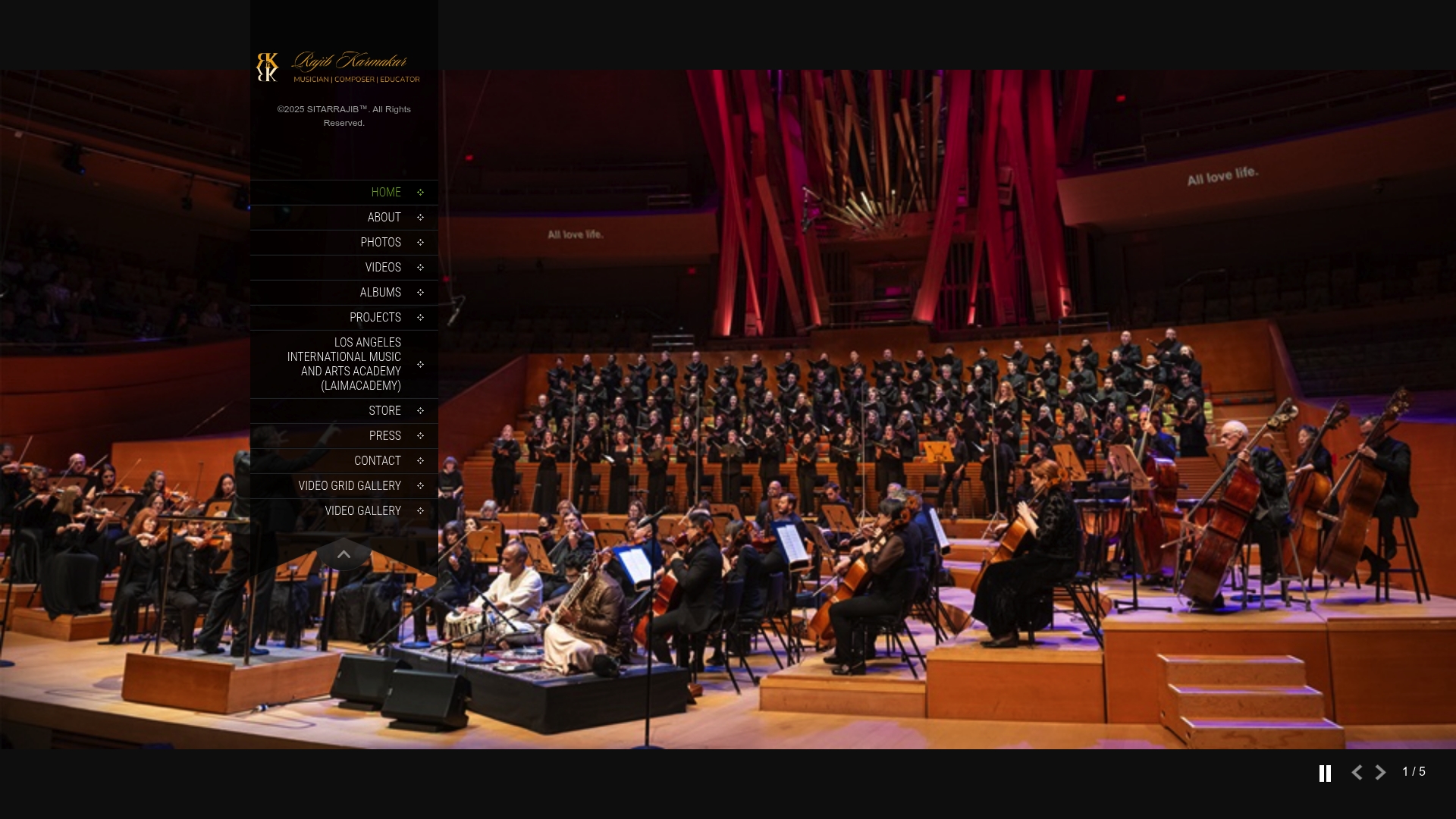
Sets run from 20 minutes to a full concert format. Rajib provides a complete technical rider, handles his own instrument and setup, and can include a spoken introduction to the tradition as part of the performance. Workshop formats are available for team-building, educational programming, and festival activations. References from past corporate and festival engagements are available on request.
Check the sitar performance logistics page for full rider details and lead-time guidance, or visit sitarrajib.com to get in touch and discuss your event.
Useful sources
- Culture Is Currency: VenuesNow/Pollstar Panel Recap — Industry panel insights on revenue, Gen Z expectations, and long-term audience strategy.
- Curation Without Tokenism (Ticket Fairy) — Practical model for pairing headliners with tradition bearers and avoiding performative inclusion.
- How Diversity Makes Us Smarter (Wharton/Phillips) — Research synthesis on how diversity improves decision-making and creativity; applicable to programming teams and audience design.
- Socio-Cultural Impacts of Events (SciSpace) — Academic review of how community-centered event programming strengthens local identity and social networks.