
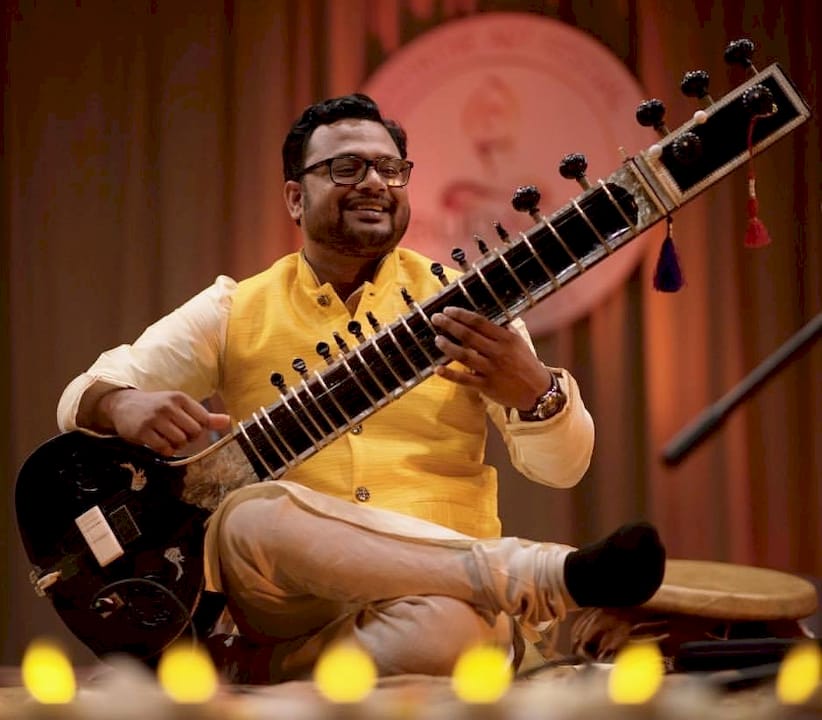
The sitar crossover collaboration process is a structured yet organic way of blending Indian classical sitar music with contemporary genres such as jazz, electronic, cinematic, fusion, and world music. This approach was pioneered globally by Pandit Ravi Shankar, whose collaborations introduced the sitar to wider international audiences and created a foundation for future cross-cultural music. Today, artists such as Anoushka Shankar, Niladri Kumar, and Purbayan Chatterjee continue to expand the possibilities of the instrument through modern sounds, global stages, and innovative collaborations.
Sitarist Rajib Karmakar, also known as SITARRAJIB, works within this same evolving tradition of sitar crossover and Indian classical fusion. His approach connects the depth of Hindustani classical music with contemporary performance, recording, film, and cross-genre partnerships. The process is not random experimentation. It follows a clear creative arc: building trust between musicians, sharing musical language, understanding rhythm and raga, co-composing ideas, refining arrangements, and presenting the final work through concerts, recordings, or digital releases. Through this framework, Rajib Karmakar brings the sitar into meaningful conversations with modern music while preserving the emotional and spiritual depth of Indian classical tradition.
What does the sitar crossover collaboration process actually require?
The sitar crossover collaboration process starts long before two musicians enter a studio together. You need a strong classical foundation first. Rigorous riyaz (daily practice) and deep knowledge of raga theory are not optional. They are the emotional core that keeps cross-genre sitar work from becoming shallow.
Beyond classical training, you need genuine curiosity about other genres. Jazz harmony, electronic textures, and Western rhythmic structures each offer tools that can interact with raga in interesting ways. The goal is not to copy those styles. The goal is to understand them well enough to have a real musical conversation with them.
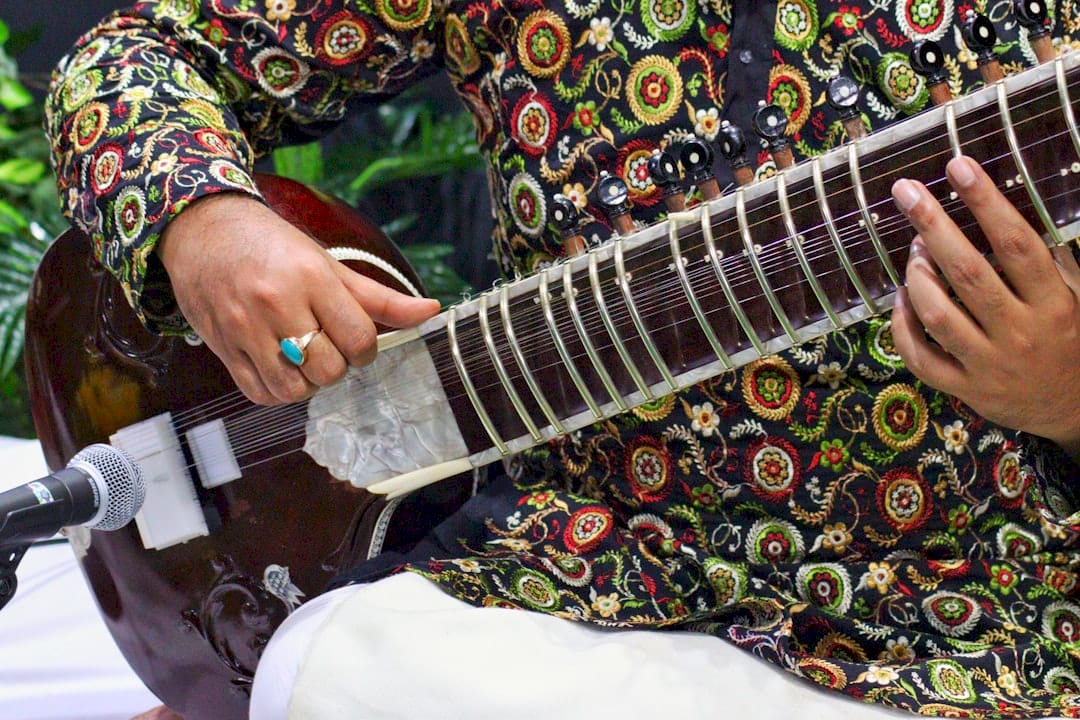
Remote collaboration is now standard in this space. Most cross-genre sitar projects today rely on digital audio workstations (DAWs) like Pro Tools or Logic Pro, cloud file sharing through platforms like Dropbox or Google Drive, and video communication tools for real-time feedback. These tools let artists in different cities or countries exchange stems, demos, and ideas without waiting for an in-person session.
| Foundational requirement | Collaboration tool |
|---|---|
| Classical riyaz and raga fluency | DAW (Pro Tools, Logic Pro) |
| Knowledge of target genre (jazz, electronic, etc.) | Cloud file sharing (Dropbox, Google Drive) |
| Active listening and musical curiosity | Video calls for real-time feedback |
| Ego-free communication | Version control for track stems |
| Openness to iteration and revision | Shared notation or lead sheet tools |
Pro Tip: Before reaching out to a potential collaborator, spend at least one month actively listening to their catalog. Know their harmonic language before you speak it together.
How do you initiate and develop a sitar crossover collaboration?
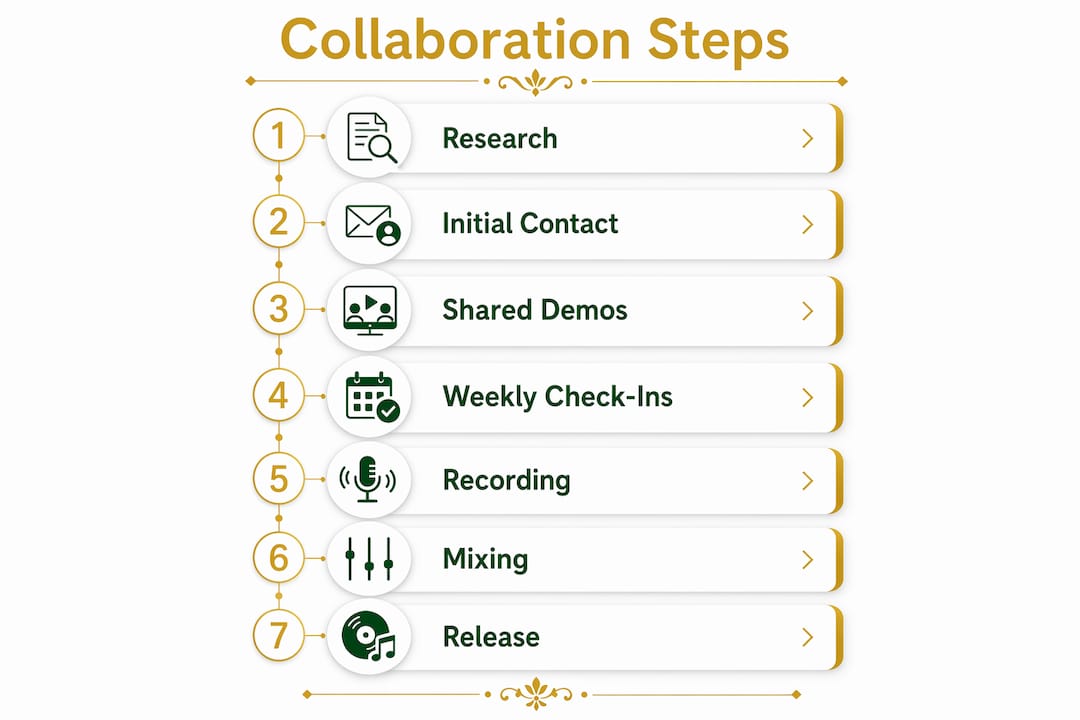
Successful sitar collaborations begin with informal exchanges of musical phrases and grow into projects built on trust and curiosity. The formal co-writing partnership almost always comes later. Backstage conversations, festival jam sessions, and shared soundchecks are where the real chemistry gets tested first.
Here is the sequence that works in practice:
Make informal contact. Attend the same festivals or concerts. Share a short musical idea with no strings attached. Let the other musician respond on their own terms.
Exchange demos. Send a short sitar phrase or raga sketch. Ask for a response in their own style. This is a low-pressure way to test musical compatibility.
Jam without an agenda. Schedule a session with no release goal. Play together and listen more than you perform.
Identify shared emotional territory. Find the raga or mood that both of you respond to. That shared feeling becomes the anchor for the project.
Move to structured co-composing. Once trust is established, assign roles. One artist may lead arrangement while the other leads melodic development.
Iterate remotely. Exchange stems and revised demos. The Feathered Creatures album, for example, involved years of remote exchanges between Mumbai and Dallas before its june 2026 release.
The Chatterjee and Lettieri project is a clear model. Two artists from completely different musical worlds spent nearly two years exchanging ideas digitally before performing live together. That patience is not a weakness in the process. It is the process.
Pro Tip: Set a standing weekly check-in, even if it is only 20 minutes. Consistent contact keeps creative momentum alive across time zones.
How do you keep authenticity intact when blending sitar with other genres?
Authenticity in cross-genre sitar work comes from treating collaboration as a musical negotiation, not a merger. Each tradition keeps its identity. Neither side dilutes itself to accommodate the other.
The clearest risk in sitar music fusion is what practitioners call “fusion confusion.” That happens when the sitar becomes decorative, a texture layered over a Western track rather than a voice in genuine dialogue. Fusion should serve as an entry point to classical raga through contemporary sounds, not a replacement for it. The raga’s emotional arc must remain audible.
Best practices for maintaining authenticity in cross-genre projects:
Keep at least one section of each piece rooted in a recognizable raga framework.
Resist the urge to simplify raga ornamentation (meend, gamak) to fit Western scales.
Ask your collaborator to respond to the raga’s mood, not just its notes.
Record a “classical reference” version of each idea before adding genre elements.
Review the final mix and check whether the sitar sounds like a lead voice or background color.
Pro Tip: Play the finished track for someone who knows classical Indian music and someone who does not. If both find it interesting, you have probably kept the balance right.
What tools and workflows support remote sitar collaboration?
Remote collaboration is now standard in global sitar projects, with artists exchanging demos and digital files for months before meeting in person. The right tools reduce friction and keep the creative energy moving.
| Tool category | Example tools | Primary use |
|---|---|---|
| DAW for recording | Pro Tools, Logic Pro, Ableton Live | Recording and editing sitar stems |
| File sharing | Dropbox, Google Drive, WeTransfer | Exchanging audio files and stems |
| Video communication | Zoom, FaceTime | Real-time feedback and jam sessions |
| Project management | Notion, Trello | Tracking versions and deadlines |
| Notation and charts | Sibelius, MuseScore | Sharing melodic ideas and arrangements |
Common workflow challenges in remote sitar projects include latency during live video sessions, inconsistent audio quality on demos, and version confusion when multiple stems are exchanged. These are solvable problems.
Use a consistent file naming system from day one (artist initials, date, version number).
Record sitar stems at 24-bit/48kHz minimum to preserve tonal detail.
Send a rough mix alongside individual stems so your collaborator hears your intent.
Use a shared project management board to track which version is current.
Schedule at least one in-person session before finalizing any release.
What are the most common challenges in sitar crossover projects?
The biggest challenge in cross-genre sitar work is not technical. It is interpersonal. Different musical vocabularies create friction when neither artist takes time to explain their instincts. A jazz guitarist hears chord substitutions as natural. A classical sitarist hears them as dissonant. Neither is wrong. Both need to explain their reasoning.
An ego-free creative space and trust enable musicians to embrace risks and turn potential conflicts into new textures. That does not happen automatically. It requires deliberate communication habits from the start.
Common challenges and how to address them:
Vocabulary gaps. Build a shared glossary early. Agree on terms for dynamics, mood, and structure before composing.
Unequal creative investment. Set clear expectations about who leads which section and how decisions get made.
Cultural misunderstandings. Take time to explain the spiritual and emotional context of specific ragas before asking a collaborator to respond to them.
Timeline drift. Set milestone deadlines with a shared calendar. Long-term projects lose momentum without structure.
Creative fatigue. Build in deliberate breaks. A two-week pause often produces better ideas than forcing output.
A balanced dialogue around ego and trust is what keeps long-term collaborations focused and creative. Projects that skip this step tend to stall or produce work that neither artist is proud of.
Pro Tip: After every major creative session, send your collaborator a short message naming one specific thing they did that surprised or inspired you. It costs nothing and builds the trust that carries the project forward.
Key Takeaways
The sitar crossover collaboration process works best when classical roots stay intact, trust is built before co-composing begins, and remote workflows are structured from the start.
| Point | Details |
|---|---|
| Classical foundation first | Deep riyaz and raga knowledge are the emotional core of any successful cross-genre sitar project. |
| Start informally | Jam sessions and demo exchanges build trust before formal co-composing begins. |
| Avoid fusion confusion | Keep the sitar as a lead voice, not background texture, to preserve musical integrity. |
| Use structured remote workflows | Consistent file naming, stem quality, and project management tools prevent version chaos. |
| Ego-free communication | Regular, honest dialogue about creative decisions keeps long-term projects on track. |
What I have learned from years of cross-genre sitar work
The part nobody talks about in collaborative music projects is how long the quiet phase lasts. You exchange a few demos. You have a great video call. Then nothing happens for three weeks. That silence is not failure. It is the other musician processing what you sent them. I have learned to treat that gap as part of the creative process, not a sign that the collaboration is dying.
The other thing I have noticed is that the best cross-genre moments come from musical curiosity, not from planning. You cannot schedule a breakthrough. You can create the conditions for one by showing up prepared, staying open, and not forcing the sitar into a role it was not built for. When I play with jazz musicians or electronic producers, I do not try to sound like them. I try to respond to them honestly, from within the raga.
What I tell every musician who asks about starting a cross-genre sitar project: go in with patience and no fixed outcome. The projects that have meant the most to me are the ones where I genuinely did not know what we were making until it was almost done. That uncertainty is not a problem. It is the point. You can see how that philosophy shows up across my cross-cultural projects and in the recordings I have released over the years.
— Rajib
Sitarrajib and the art of sitar crossover collaboration
Rajib Karmakar has spent years building collaborative music projects that connect Indian classical sitar with jazz, cinematic, and world music styles. His work as a sitarist, composer, and educator in Los Angeles reflects the same principles covered here: start with classical depth, build trust with collaborators, and let the music lead.
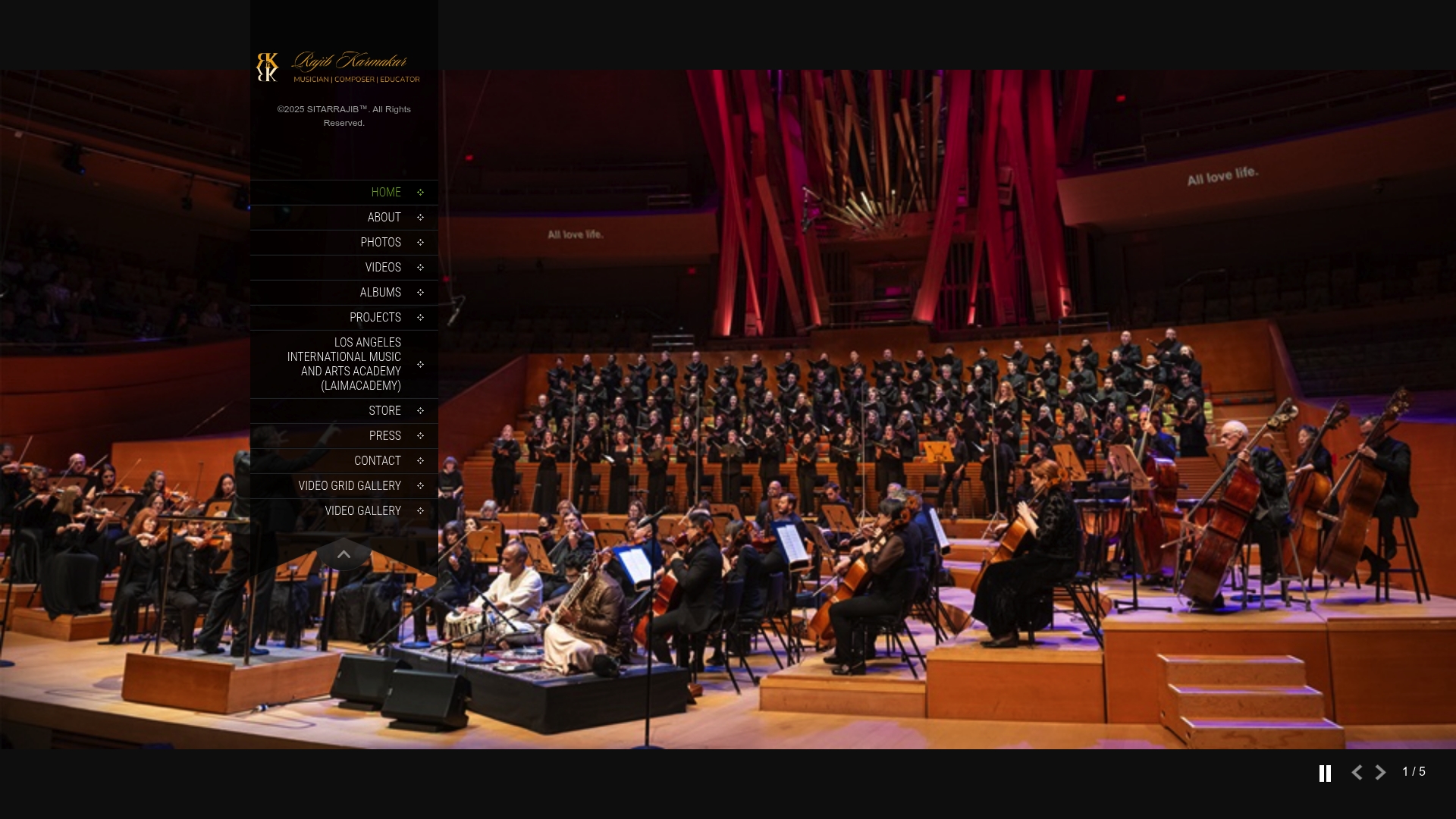
If you want to hear what a thoughtful cross-genre sitar collaboration sounds like in practice, the music and recordings on Sitarrajib’s site give you a direct look. You can also visit the main Sitarrajib page to learn about live performance, studio collaboration, and educational programs designed for musicians at every level.
FAQ
What is the sitar crossover collaboration process?
The sitar crossover collaboration process is a structured approach to fusing classical Indian sitar with contemporary genres like jazz or electronic music. It begins with informal exchanges, builds through trust and shared musical language, and evolves into formal co-composing.
How long does a sitar crossover collaboration typically take?
Timeline varies widely, but major projects often take one to two years from first contact to release. The Feathered Creatures album by Purbayan Chatterjee and Mark Lettieri involved nearly two years of remote exchanges between Mumbai and Dallas.
How do you avoid losing classical identity in sitar music fusion?
Keep at least one raga framework audible in each piece and treat the sitar as a lead voice rather than a texture. Fusion should serve as an entry point to classical music, not replace its emotional depth.
What tools do sitar artists use for remote collaboration?
Most remote sitar collaborations rely on DAWs like Pro Tools or Logic Pro for recording, Dropbox or Google Drive for file sharing, and Zoom or FaceTime for real-time feedback sessions.
How do you handle creative disagreements in cross-genre sitar projects?
Build a shared vocabulary for musical decisions early and set clear roles for who leads each section. An ego-free environment where both artists can name their instincts openly turns disagreements into creative solutions.