
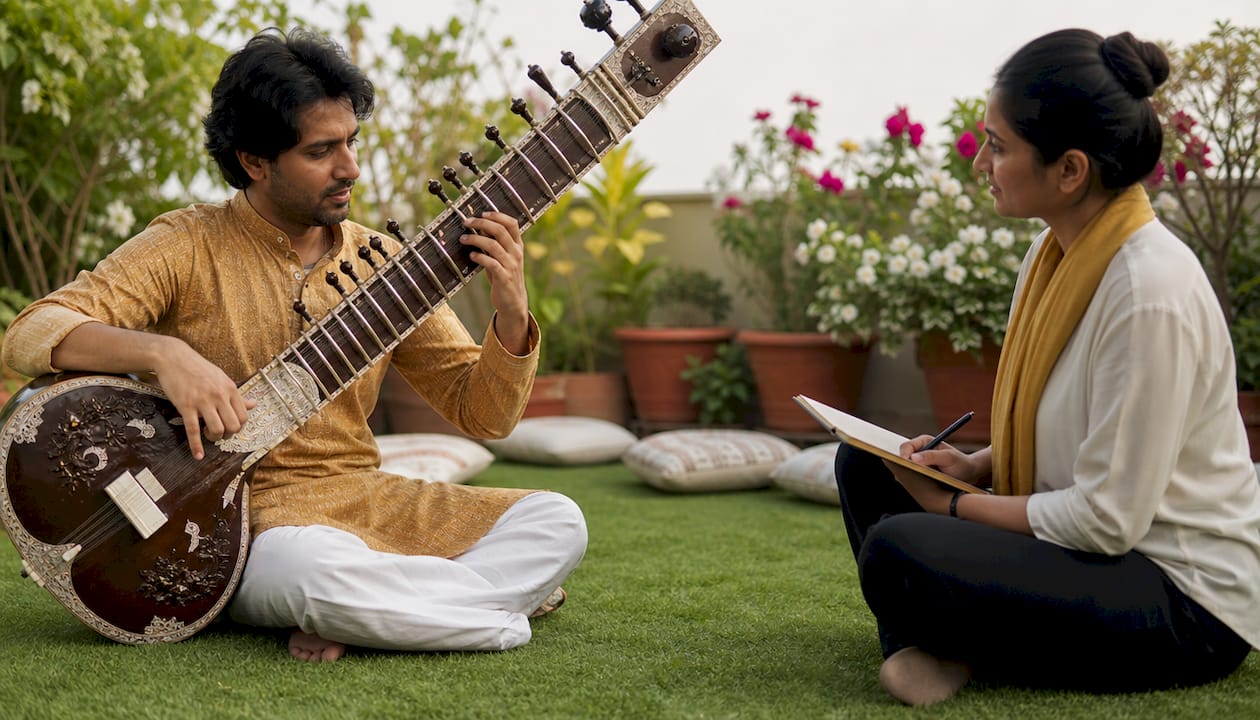
Live sitar music is defined as a real-time, acoustic or amplified Indian classical performance integrated into a brand event to deepen audience engagement and signal cultural authenticity. Understanding how live sitar works for brand activations means recognizing it as more than background sound. It is a sensory branding tool that shapes how your audience feels about your brand during and after the event. Large-scale sitar collaborations attract over 100,000 attendees and generate more than ₹50 crore in revenue, which shows the commercial weight this art form carries when deployed correctly. Sitarrajib, the artist brand of Los Angeles-based sitarist Rajib Karmakar, brings this depth to corporate events, product launches, and cultural brand programs worldwide.
How live sitar works for brand activations: the core value
Live sitar creates value in brand activations through three direct mechanisms: emotional engagement, cultural resonance, and format versatility. Each one operates differently, and together they give your event a dimension that a DJ set or a playlist simply cannot replicate.
Emotional engagement through live music
Live music triggers stronger emotional responses than recorded sound. The sitar’s tonal range, from meditative drones to rapid melodic runs, moves audiences through distinct emotional states within a single performance. That range gives you control over the mood arc of your event.
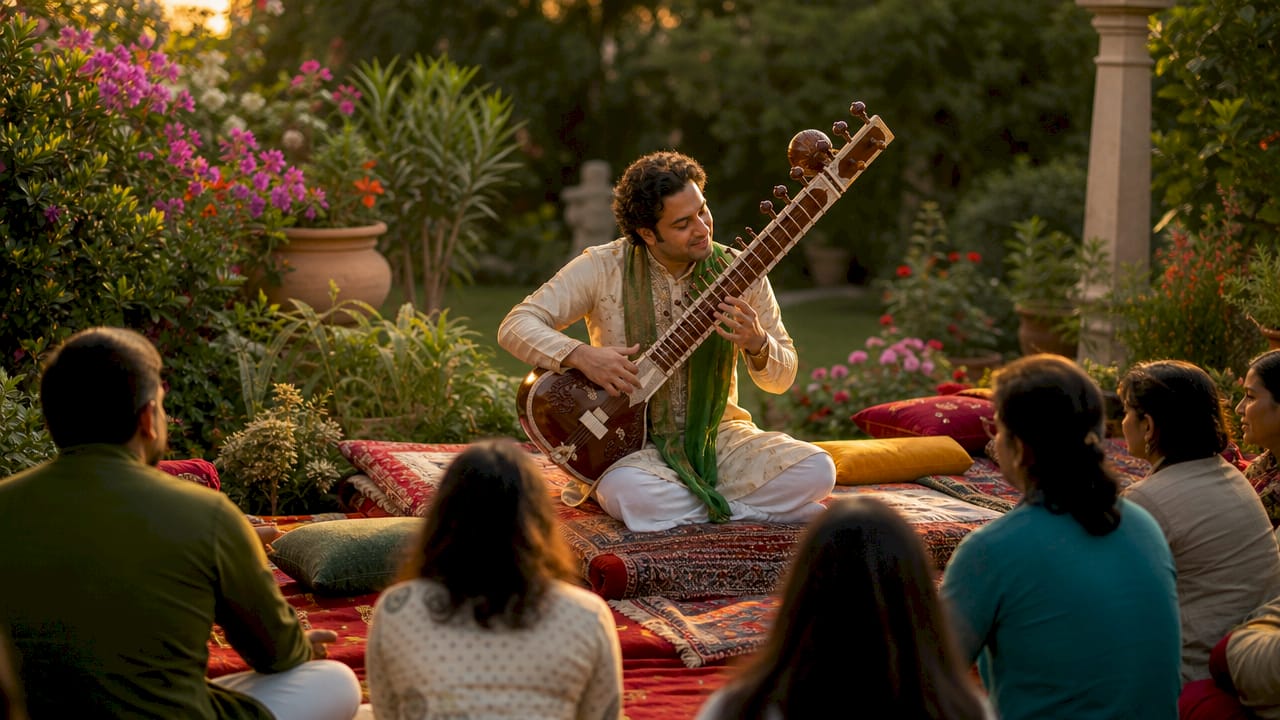
Cultural authenticity and brand storytelling
Sitar music’s connection to mindfulness and cultural depth makes it a unique tool for emotional brand connection. Brands that want to signal sophistication, wellness, or global awareness find the sitar communicates those values without a single word of copy. The instrument carries centuries of artistic heritage, and that heritage transfers to your brand in the audience’s mind.
Versatility across event formats
Live sitar fits multiple event formats without forcing a redesign of your program:
- Ambient performance: A sitarist plays softly during cocktail hours or gallery-style brand showcases, setting tone without competing with conversation.
- Headline set: A full 60–120 minute acoustic performance, often paired with tabla, anchors the main event block and gives attendees a reason to stay.
- Interactive element: The artist engages the audience directly, explaining ragas, inviting participation, or improvising around brand themes.
- Branded content moment: The performance becomes a filmed asset for social media, press kits, and post-event campaigns.
Pro Tip: Brief the sitar artist on your brand’s core values before the event. A skilled performer can shape the raga selection and tempo to mirror your brand’s emotional tone, making the music feel purpose-built rather than incidental.
How have leading brands successfully integrated live sitar?
Several documented campaigns show what effective live sitar brand activation looks like in practice. The results go well beyond applause.
Škoda’s Kodiaq RS launch
Automotive brands have used sitar music structured in three movements to align musical tone with product performance. Škoda’s Kodiaq RS campaign organized the sitar composition around three named phases: Discovery, Dialogue, and Revelation. Each phase mirrored a stage of the customer’s experience with the vehicle. The artist was not a performer hired for the evening. The artist was a creative collaborator who shaped the campaign’s narrative structure. That distinction is what separates a memorable activation from a forgettable one.
Large-scale jewelry brand tour
A fine jewelry brand ran a 10-city sitar tour that reached peak single-show attendance of 20,000 people. The cumulative revenue exceeded ₹50 crore. The brand also used the tour to target male customers for the first time through a cultural music partnership. That is a measurable shift in brand positioning achieved through a single artist collaboration.
“Successful activations show up thoughtfully, adding real value rather than forced presence, earning lasting goodwill.”
Live music events: authentic brand integration
Vedica’s wellness integration
Vedica placed branded hydration stations at sitar performance tour stops to align the brand with mindfulness and wellness. The integration worked because the brand’s values matched the sitar’s cultural associations. Multi-sensory brand integrations with wellness pauses and branded lounges maximize brand impact beyond background music. The lesson here is that the sitar performance and the brand element reinforced each other rather than competing for attention.
| Brand | Activation format | Key outcome |
|---|---|---|
| Škoda | Three-movement sitar composition for product launch | Narrative alignment between music and vehicle performance |
| Fine jewelry brand | 10-city live sitar tour | 100,000+ attendees, ₹50 crore+ revenue, new male customer segment |
| Vedica | Branded hydration at sitar tour stops | Wellness brand positioning through cultural association |
What are the practical steps to implement live sitar in your event?
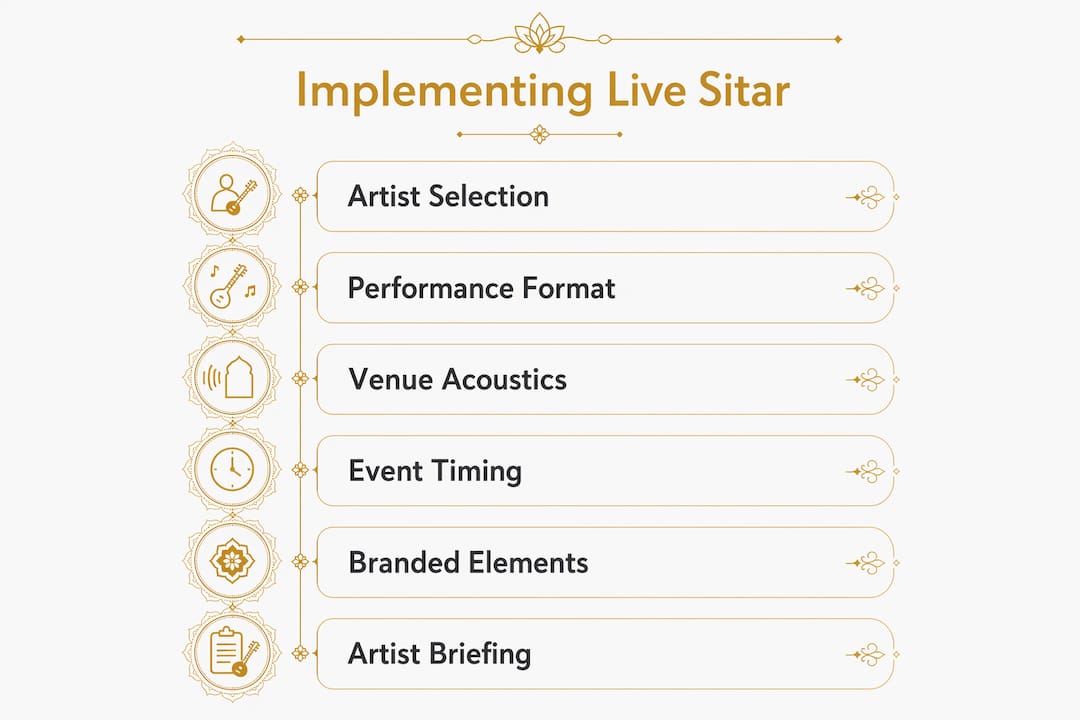
Planning a live sitar brand activation requires decisions across four areas: artist selection, performance format, logistics, and brand integration. Getting each one right determines whether the sitar becomes the highlight of your event or a missed opportunity.
1. Select the right artist for your brand goals.
Look for a sitarist with documented experience in brand contexts, not just concert halls. Review their portfolio for corporate events, product launches, or cross-cultural collaborations. Sitarrajib’s cross-cultural performance projects show the range of brand contexts a professional sitarist can serve.
2. Define the performance format early.
Decide whether you need ambient music, a headline set, or an interactive experience. Sitar and tabla performances for upscale corporate events commonly run 60–120 minutes in acoustic setups during social event blocks. Adding tabla creates a fuller sound and works well for larger rooms or outdoor spaces.
3. Address venue acoustics before the event.
The sitar’s resonance depends heavily on room acoustics. A dry, carpeted conference room absorbs sound and flattens the performance. A venue with some natural reverb, such as a hotel ballroom or an open atrium, lets the instrument breathe. Walk the venue with your artist or their technical team at least one week before the event.
4. Time the performance within your event flow.
Place the sitar set at a moment when your audience is settled and receptive, not during registration or while food is being served. The performance works best as a focal point, not as a filler between agenda items.
5. Integrate branded elements that match the sitar’s tone.
Artist-led content like interviews and behind-the-scenes footage extends activation reach well beyond the live event. Plan for a camera crew to capture the performance and the artist’s preparation. That content becomes a campaign asset with a lifespan far longer than the event itself.
6. Brief the artist on your brand narrative.
Share your brand story, campaign theme, and audience profile with the sitarist before the event. Using the sitar artist as a creative storyteller rather than a background performer deepens brand narrative immersion. The more context the artist has, the more intentional the performance becomes.
Pro Tip: Build a 10-minute artist spotlight into your event program. A brief spoken introduction from the sitarist about the raga they are about to perform gives your audience context and dramatically increases their engagement with the music.
How does live sitar influence audience perception and brand positioning?
Live sitar music changes how an audience perceives a brand in ways that standard event entertainment does not. The effect is specific and worth understanding before you plan your activation.
The sitar signals a set of values without stating them directly. Brands that place a live sitarist at their event communicate sophistication, cultural awareness, and a commitment to quality experience. Those signals reach the audience through sound before a single brand message is delivered. Audience engagement extends before and after the event via artist spotlights and social media content featuring sitar performances. That means the positioning effect does not end when the music stops.
Sitar music also opens access to new audience segments. A jewelry brand that had never marketed to male customers used a sitar tour to shift that dynamic. The cultural credibility of the music created a context where the brand felt relevant to a new group. That is a positioning move that advertising copy rarely achieves as efficiently.
The risks are real, though. Avoid these common mistakes:
- Treating the sitar as wallpaper. If the music is too quiet to hear clearly or placed in a corner of the room, the audience ignores it. The brand association becomes equally forgettable.
- Mismatching brand values and musical context. A fast-food brand pairing with a meditative raga performance creates cognitive dissonance. The music and the brand need to share at least one clear value.
- Skipping artist collaboration. Booking a sitarist the way you book a sound system, as a vendor rather than a creative partner, produces generic results. Effective brand integrations use the artist’s expertise to connect with deeper human emotions, beyond pure sponsorship presence.
- Ignoring the post-event content window. The performance is also a content production opportunity. Brands that film the sitar set and release artist interviews extend the activation’s reach for weeks after the event.
The brands that get the most from a live sitar activation treat it as a creative storytelling tool rather than a line item in the entertainment budget.
Key Takeaways
Live sitar works best for brand activations when the artist functions as a creative collaborator, not just a performer, and when the music is designed to match the brand’s values and audience profile.
| Point | Details |
|---|---|
| Sitar as a branding signal | Live sitar communicates sophistication and cultural depth before any brand message is spoken. |
| Artist as collaborator | Brief the sitarist on your brand narrative so the performance reflects your campaign theme. |
| Format determines impact | Choose ambient, headline, or interactive formats based on your event’s goals and audience size. |
| Post-event content extends reach | Film the performance and plan artist-led content to keep the activation alive after the event. |
| Brand-music value alignment | Match your brand’s values to the sitar’s cultural associations to avoid audience confusion. |
Why I think most brands underuse live sitar
Brand managers often book a sitarist the same way they book a florist: pick someone available, confirm the date, and move on. That approach wastes most of the instrument’s potential. The sitar is not decoration. It is a narrative tool, and the brands that treat it that way get results that are genuinely hard to replicate with any other entertainment format.
What I have seen work, consistently, is giving the artist real creative input before the event. When I know a brand’s story, I can choose ragas that mirror the emotional arc the brand wants the audience to feel. That is not a small thing. A raga built on longing sounds completely different from one built on celebration, and the audience feels that difference even if they cannot name it.
The other thing brands miss is the content opportunity. A live sitar performance, filmed well, produces material that works across Instagram, YouTube, press kits, and internal communications. The event lasts a few hours. The content lasts months. Brands that plan for both get far more value from the same investment.
My honest recommendation: bring the sitarist into the planning conversation at least four weeks before the event. Not to confirm logistics, but to talk about the brand, the audience, and the story you want to tell. That conversation changes the performance. And a changed performance changes what your audience remembers about your brand.
— Rajib
Work with Sitarrajib for your next brand activation
Rajib Karmakar is an internationally recognized sitarist and composer based in Los Angeles, with documented experience in corporate events, product launches, cultural programs, and cross-cultural collaborations. Sitarrajib offers live sitar performances, customized compositions, and full campaign support for brand activations of any scale.
Visit sitarrajib.com to review Rajib’s full portfolio, watch live performance videos, and read press coverage from past brand collaborations. You can also explore fan engagement strategies that pair well with live sitar activations. Reach out directly to discuss performance formats, event timelines, and how a live sitar experience fits your brand’s goals.
FAQ
What is a live sitar brand activation?
A live sitar brand activation is a brand event that features a real-time sitar performance as a central or supporting element to engage the audience and reinforce brand values. The performance can be ambient, headline, or interactive depending on the event format.
How long should a live sitar performance be at a corporate event?
Live sitar performances at corporate events typically run 60–120 minutes in acoustic setups, often during social or networking blocks. The exact duration depends on the event program and whether tabla or other accompaniment is included.
Can live sitar music help a brand reach new customer segments?
Yes. A jewelry brand used a sitar tour to reach male customers for the first time, demonstrating that cultural music partnerships can shift brand positioning and open new demographics without traditional advertising.
What makes a live sitar activation different from recorded background music?
Live sitar creates a real-time, responsive experience that recorded music cannot replicate. The artist can adjust tempo, mood, and raga selection based on the room’s energy, making the performance feel specific to the event rather than generic.
How do brands extend the value of a live sitar activation after the event?
Artist-led content including interviews, behind-the-scenes footage, and social media clips extends the activation’s reach well beyond the event date. Planning for post-event content production during the activation itself significantly increases the campaign’s total lifespan.